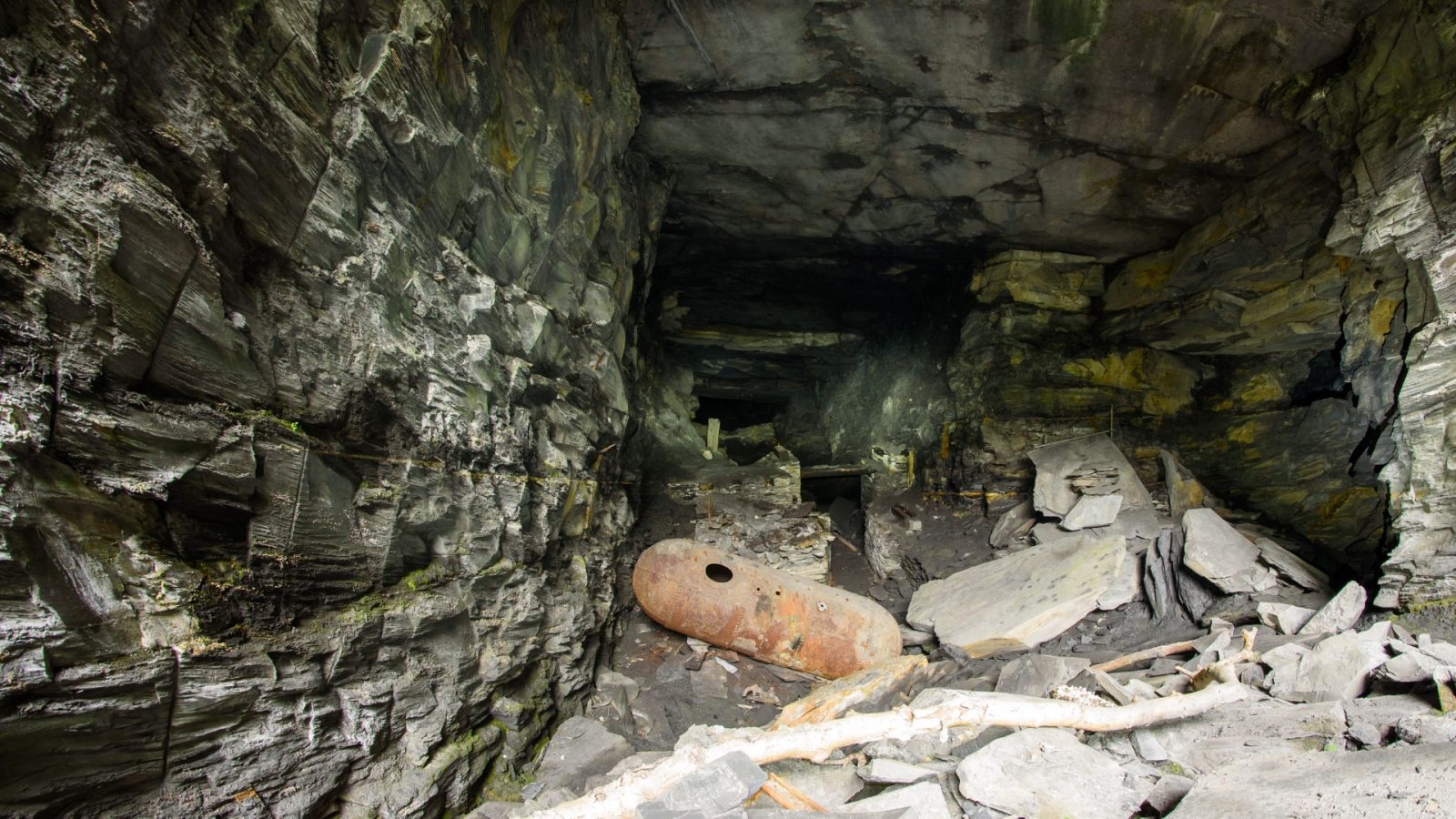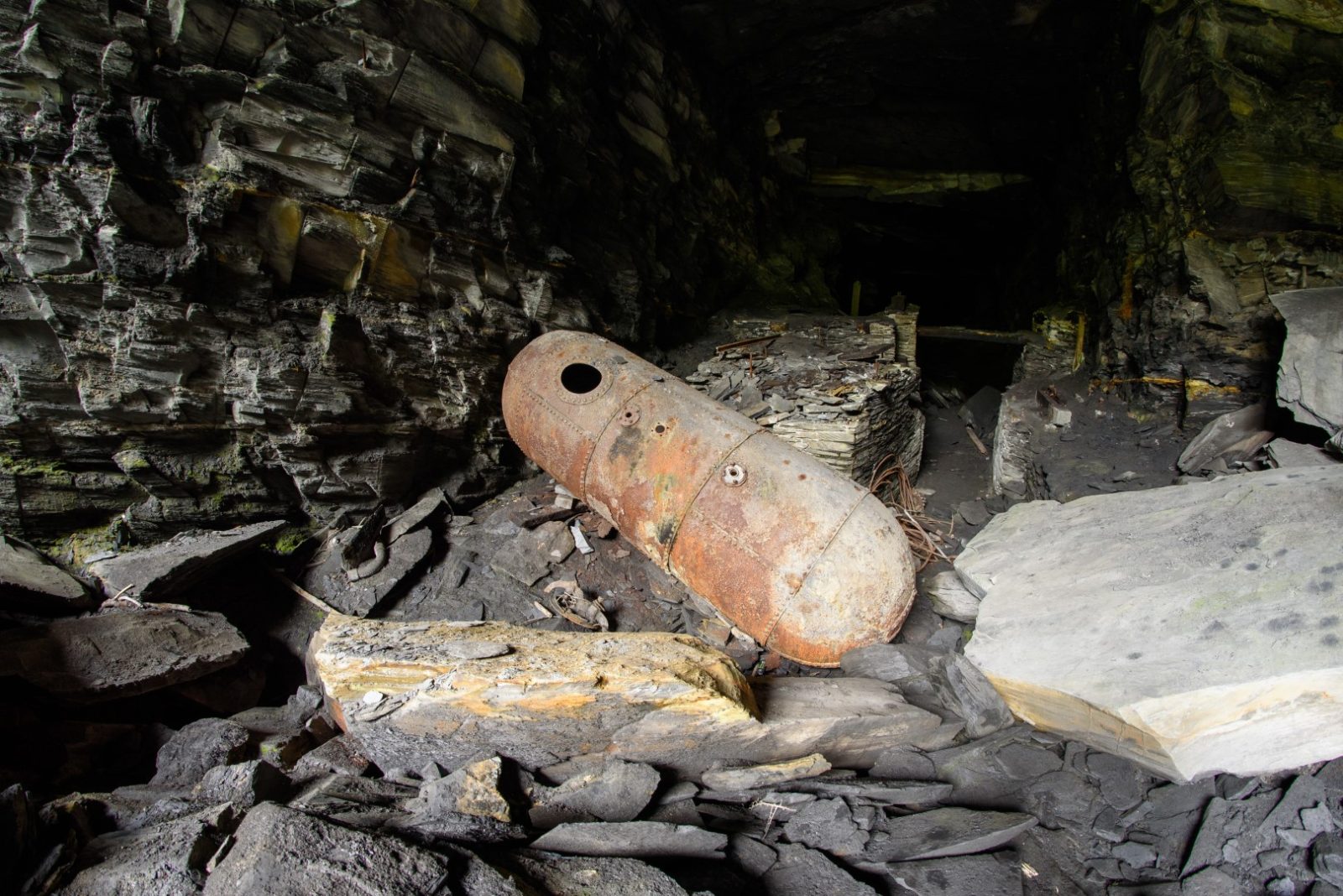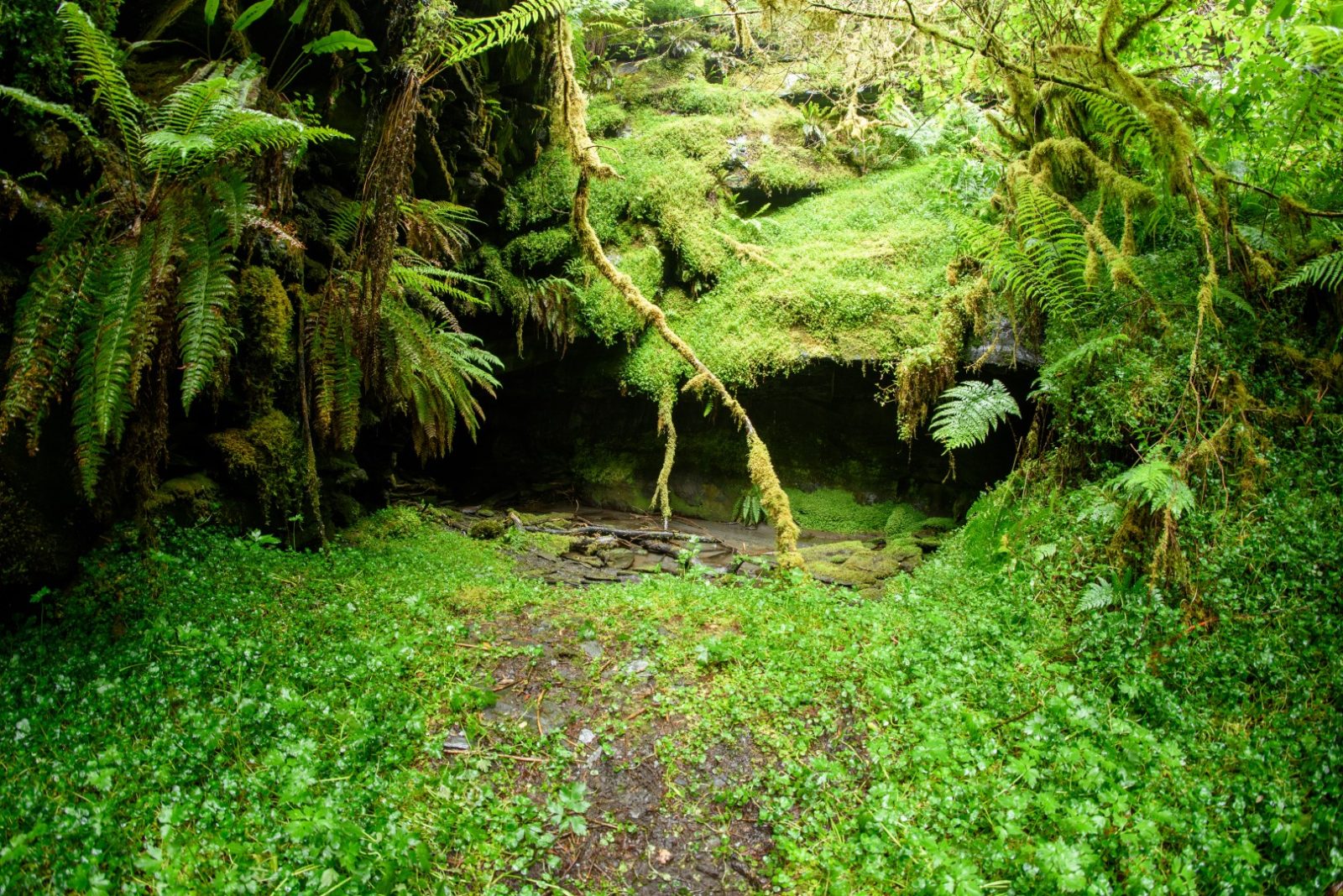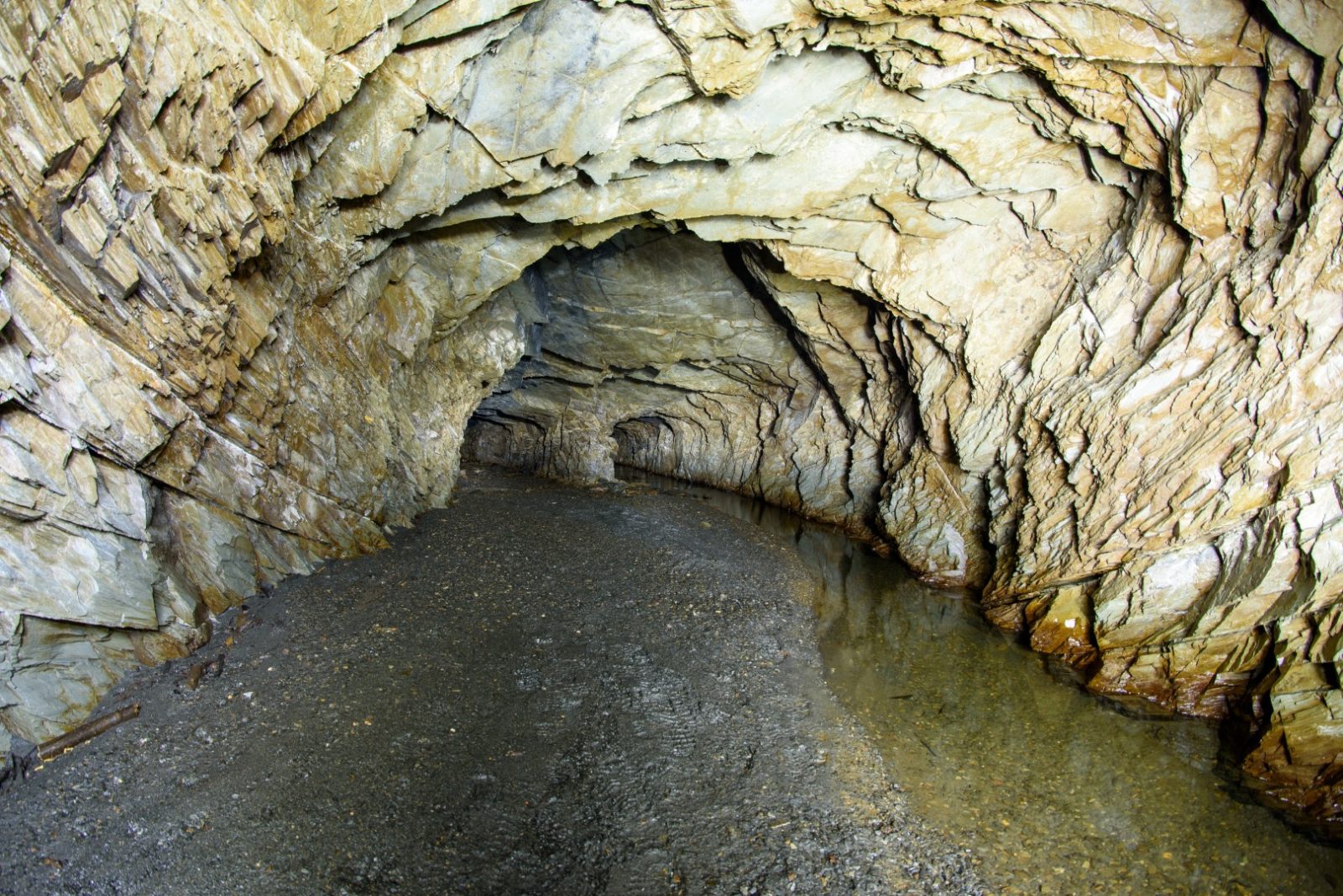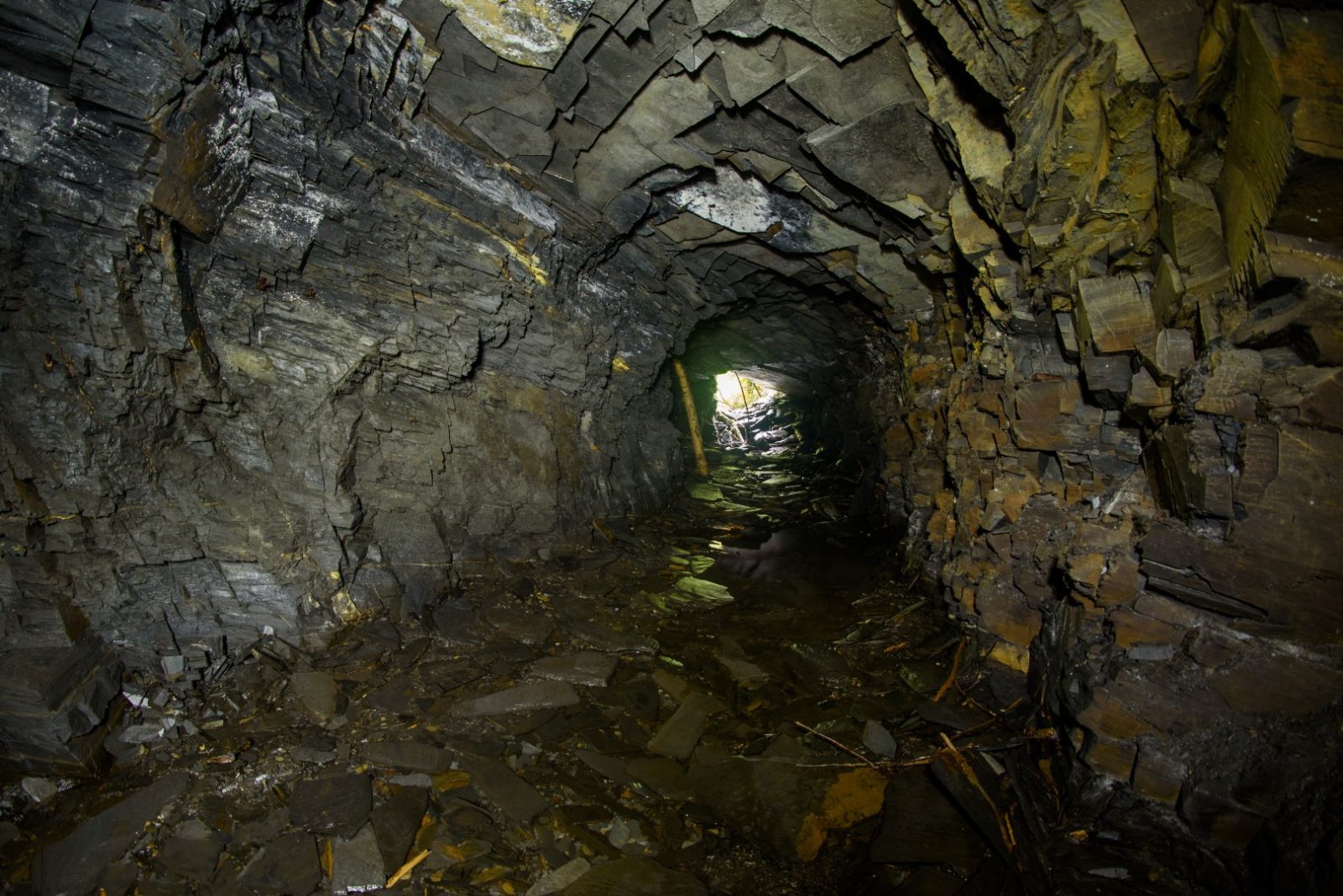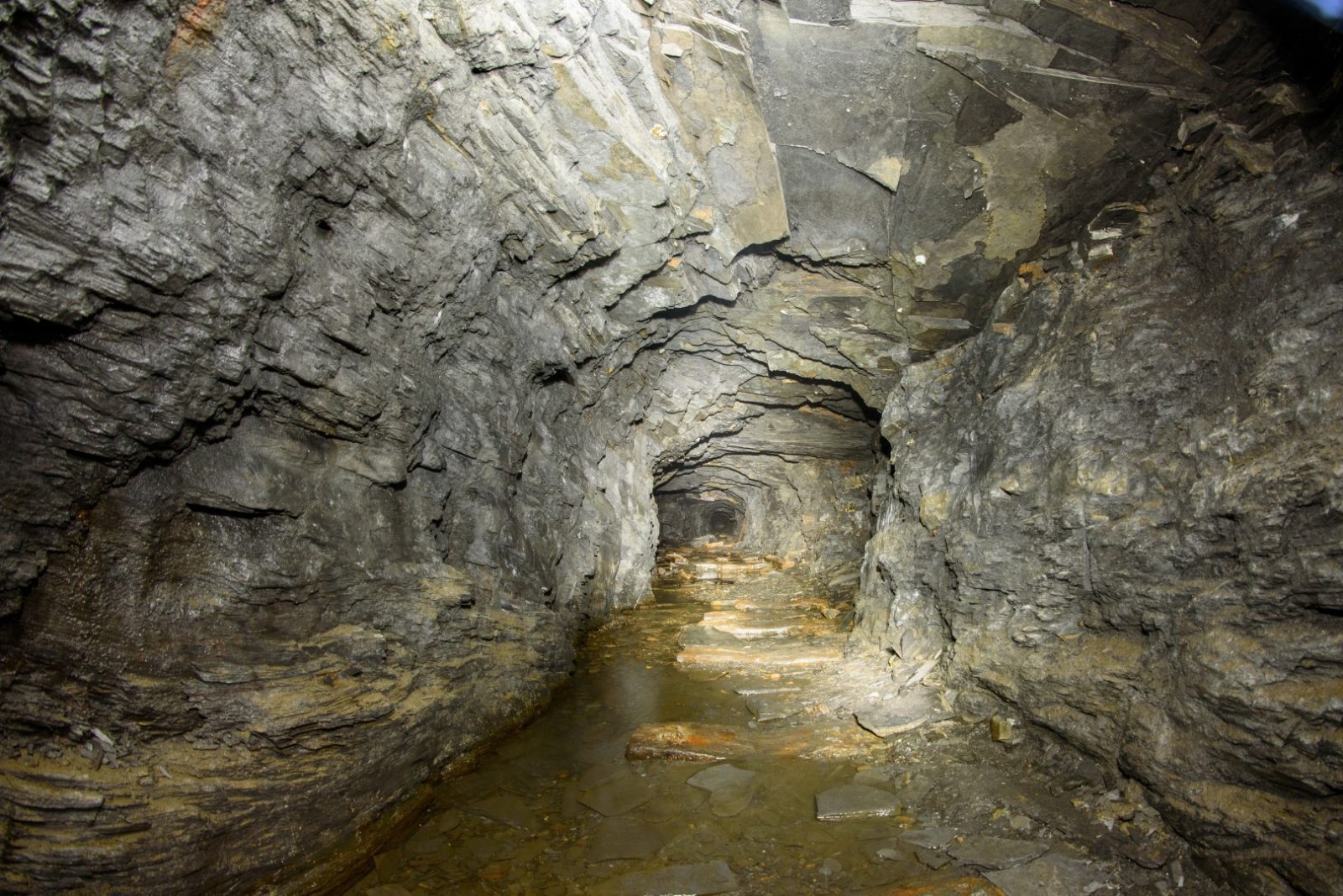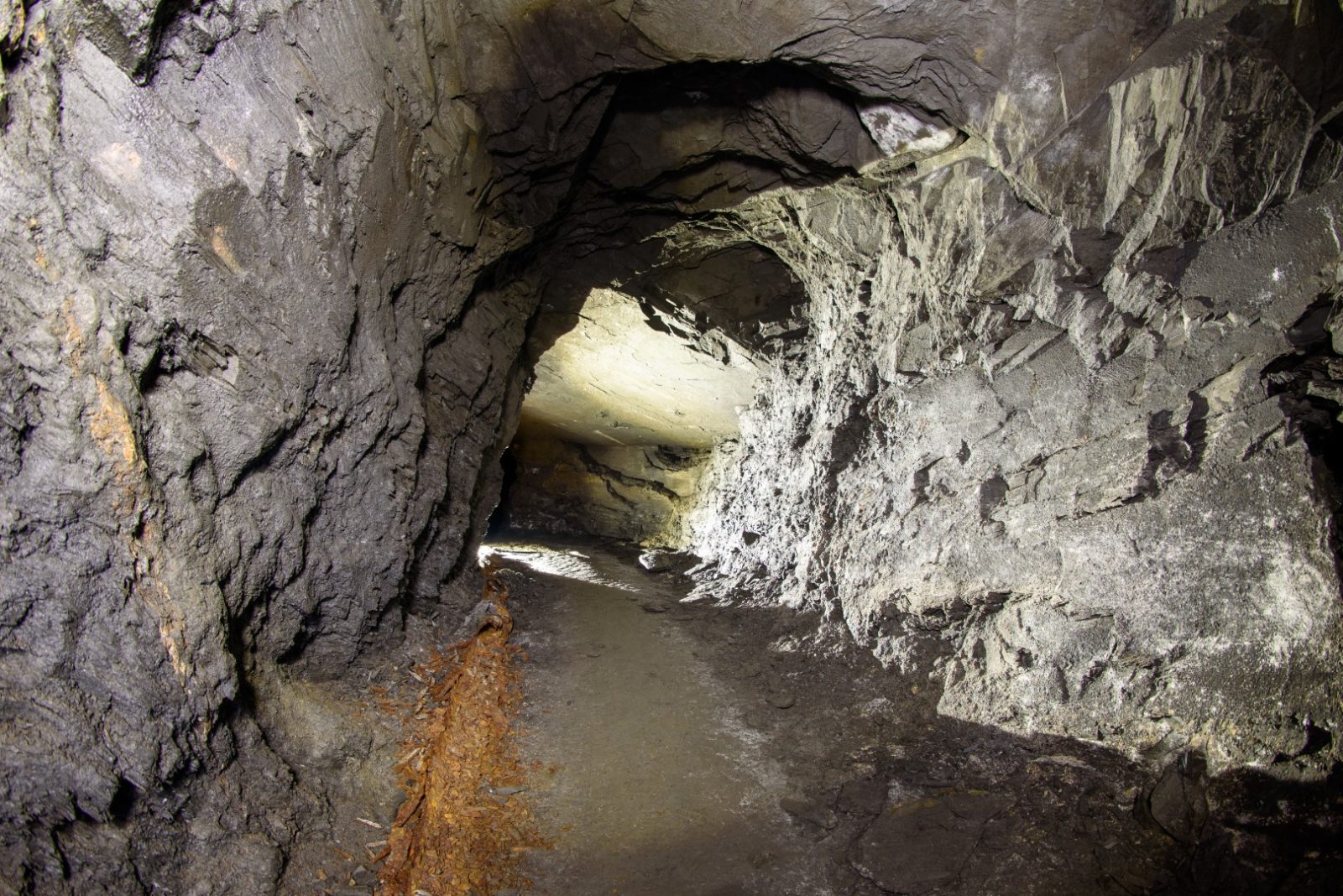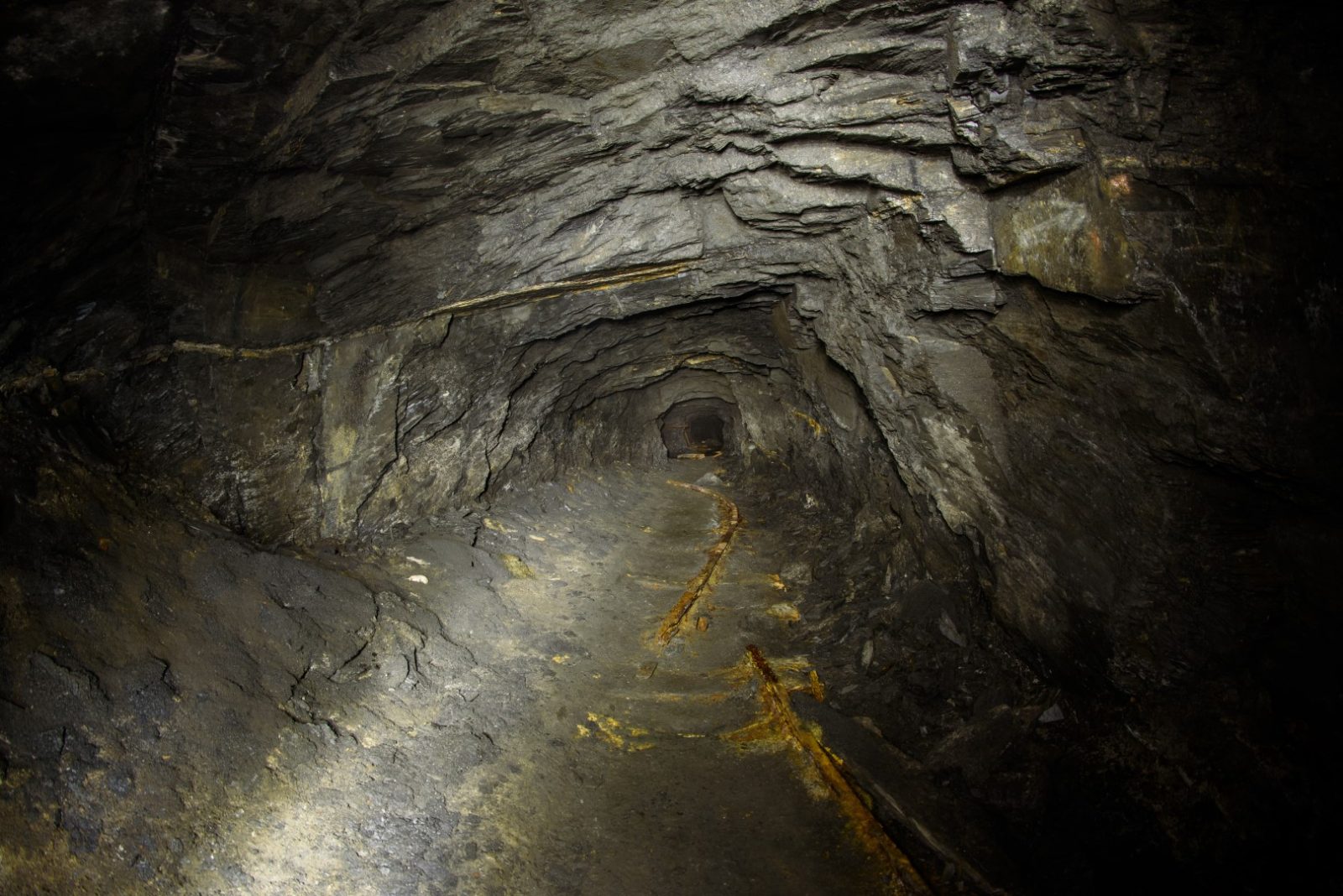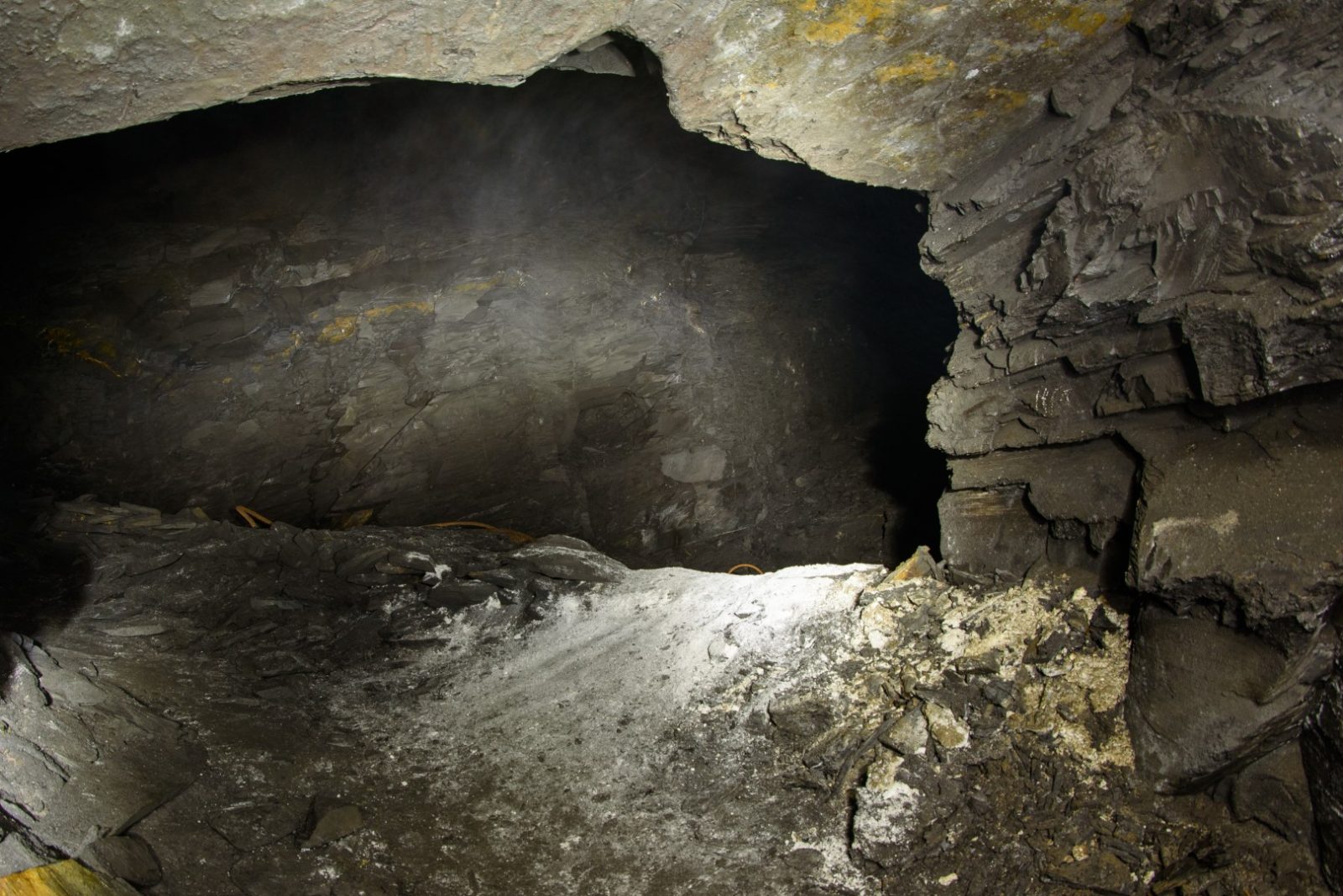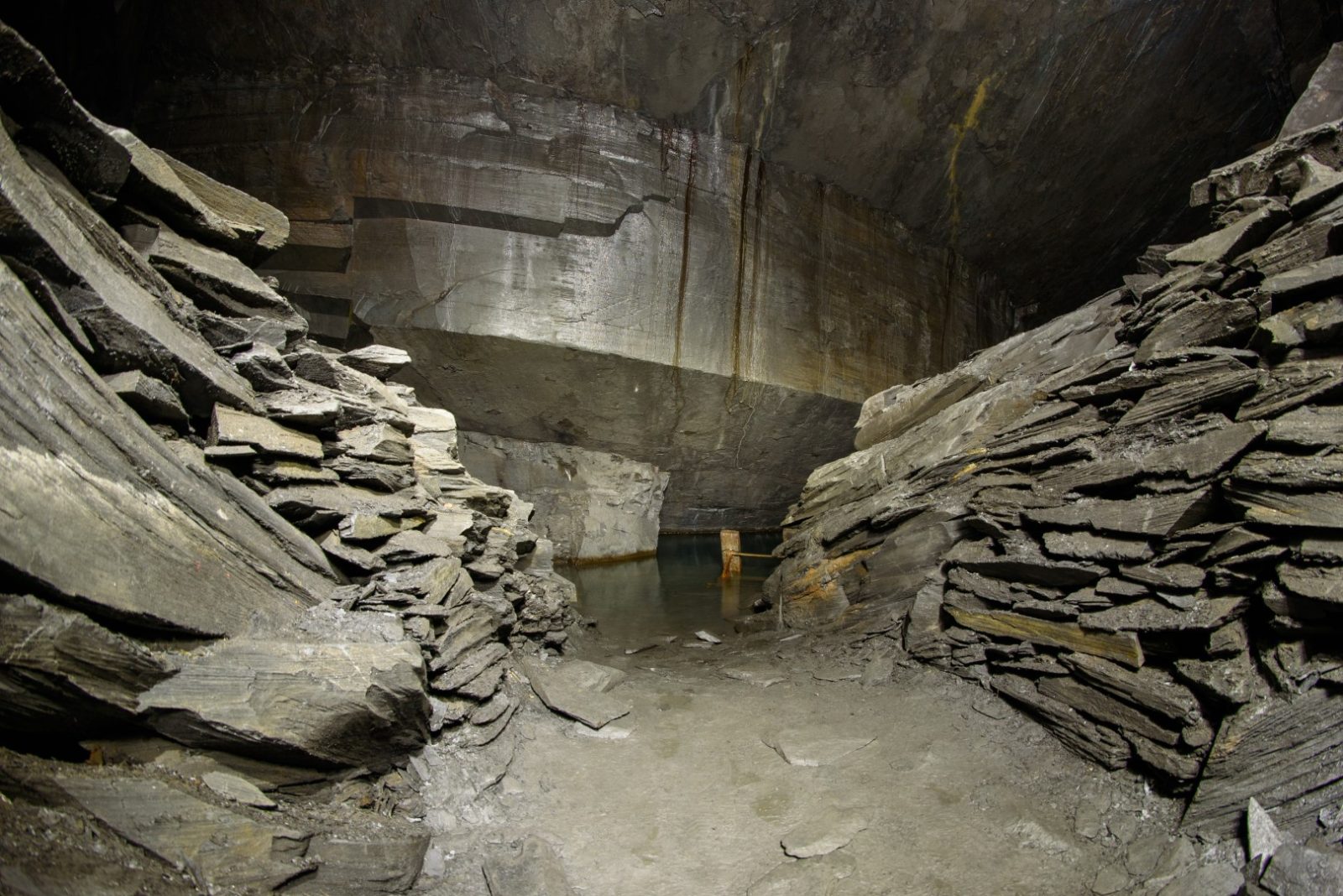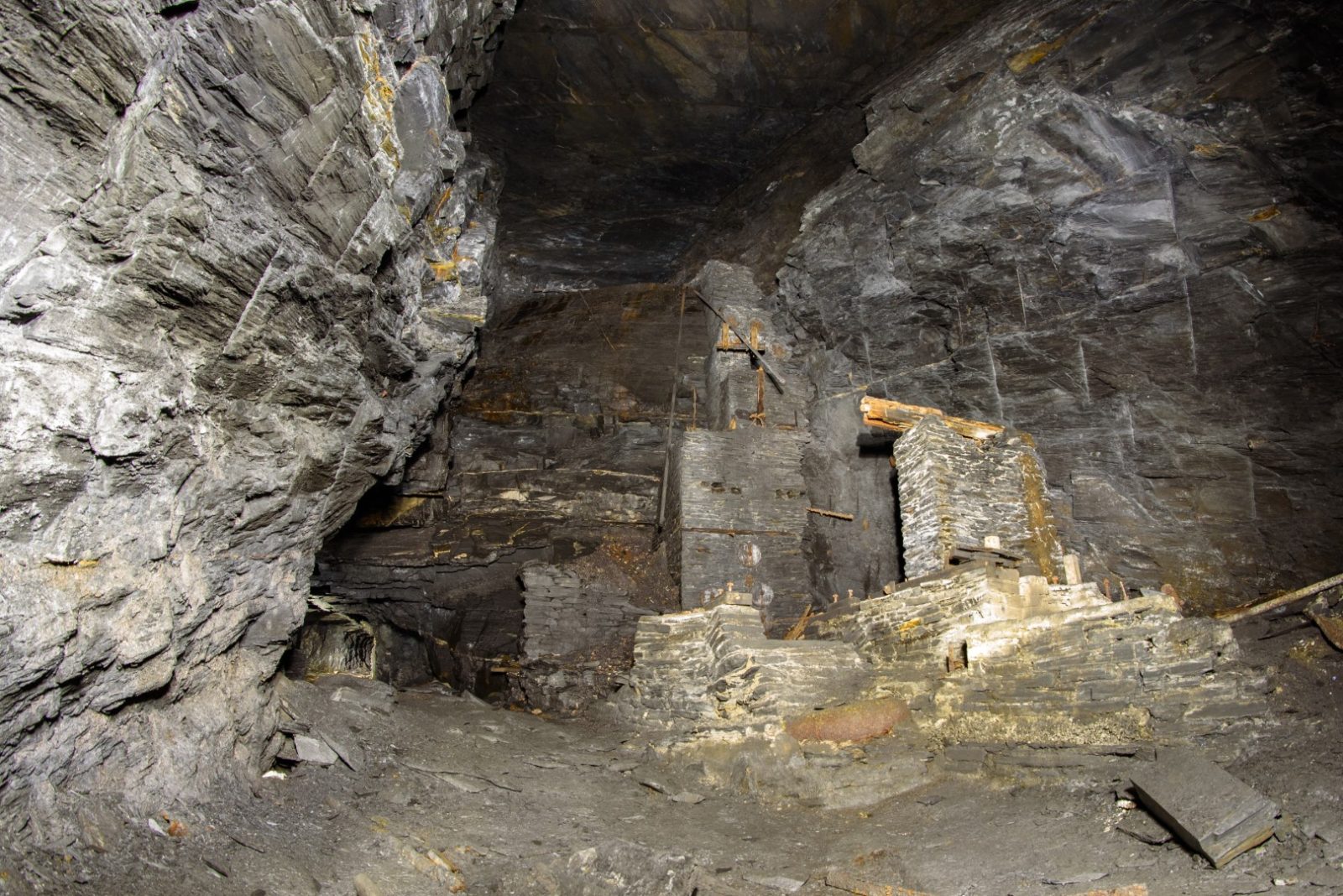
The Cambrian Quarry was a slate quarry located to the west of Glyn Ceiriog in Denbighshire, North Wales. There had been some small-scale extraction of slate in the area from as early as the 17th century, but commercial operations began in 1857, when the Cambrian Slate Company was formed. Initial workings were established at Chwarel Isaf (Lower Quarry), with extraction beginning at Chwarel Uchaf (Upper Quarry), a little further to the west, during the 1860s.
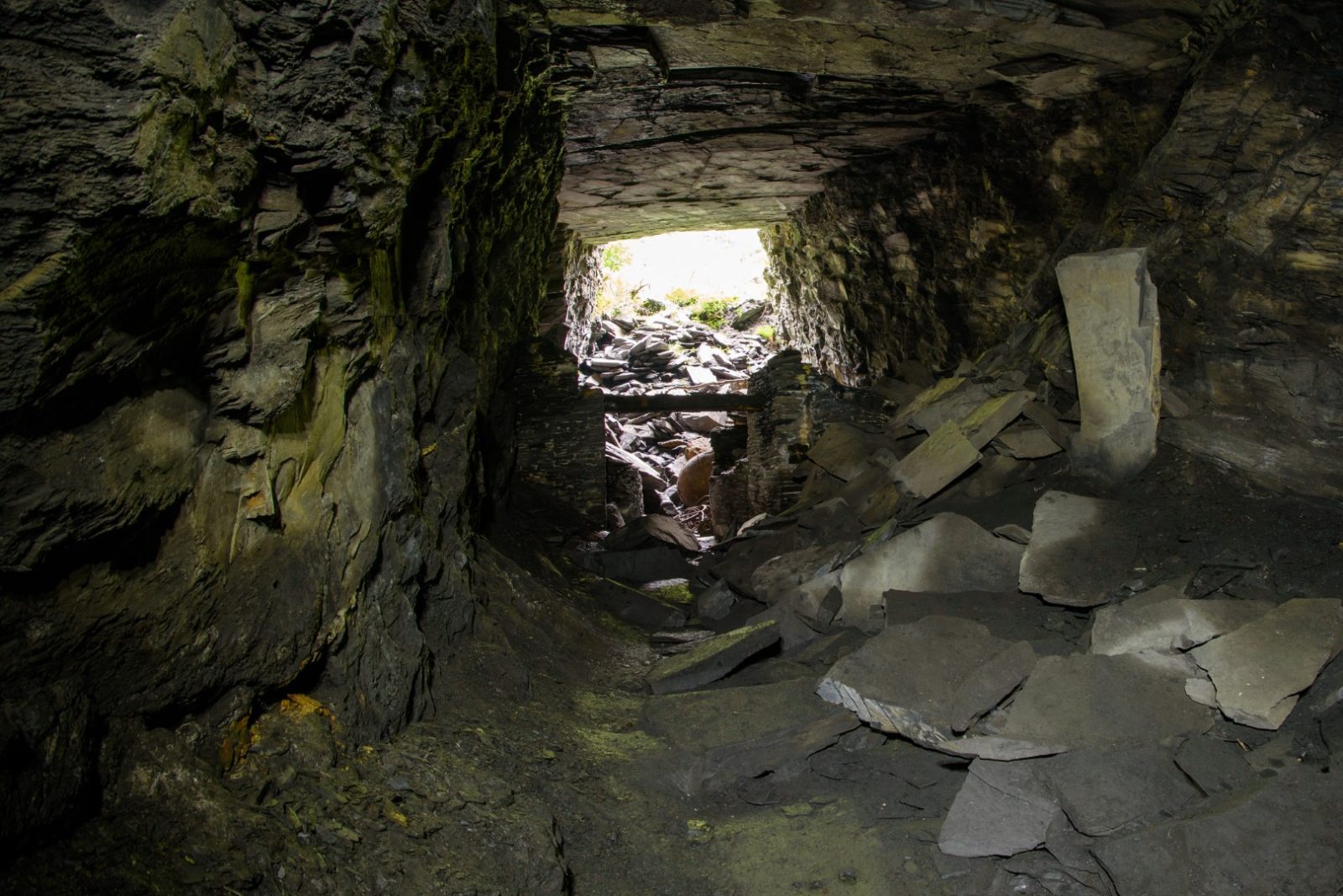
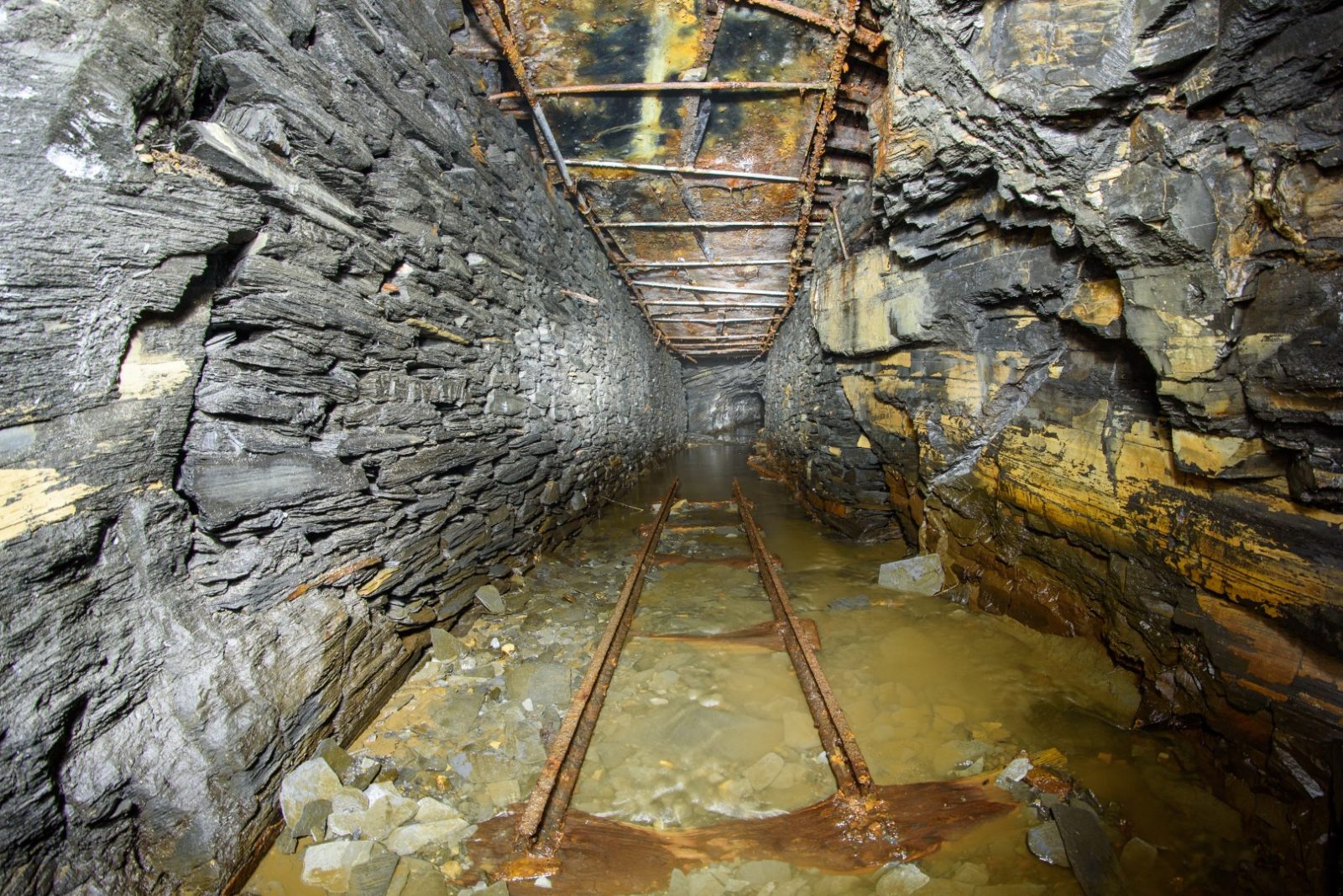
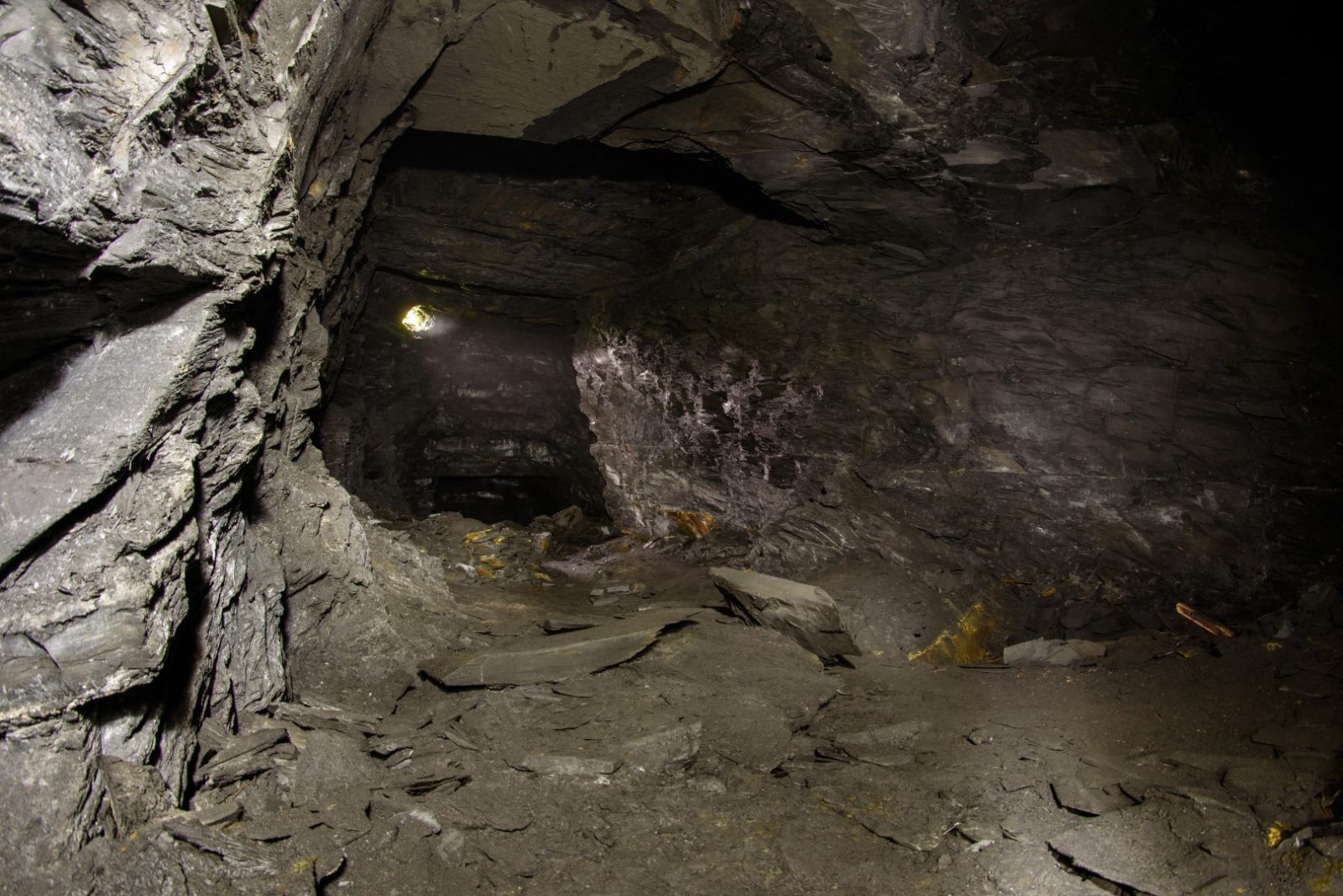
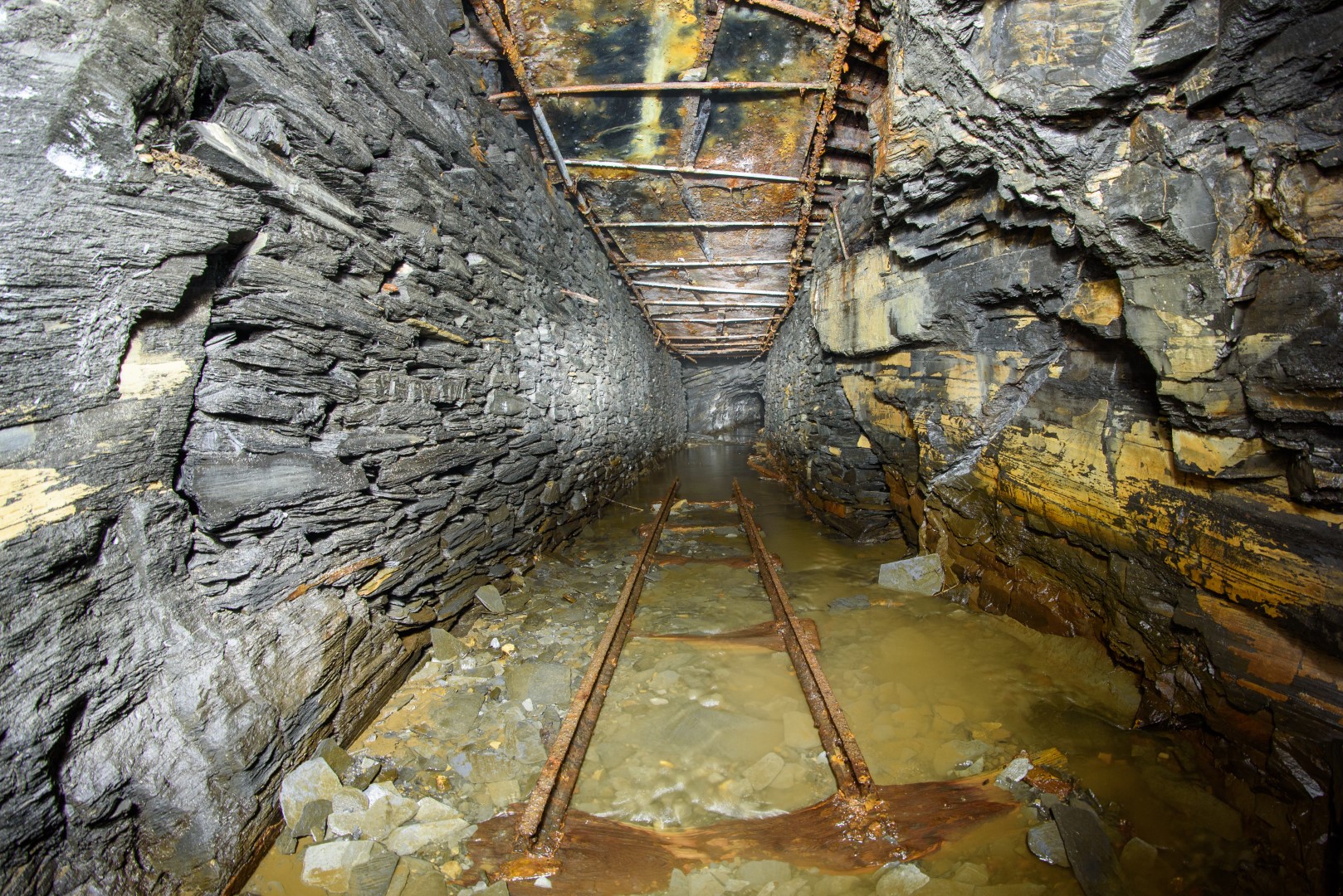
The Upper Quarry became known as Martin’s Quarry and was equipped with a mill powered by a waterwheel. As the excavation deepened, it developed into a pit. To overcome drainage problems and provide a means of transporting slate from the lower workings, a tunnel was driven from the bottom of the pit, extending approximately 600 yards (550 m) eastwards to emerge beyond Chwarel Isaf. Two shafts were subsequently sunk from the surface to meet the tunnel, eventually developing into Townsend’s and Dennis’s quarries.
The slate industry suffered a downturn during the 1870s, bringing work at the quarry to a halt. Extraction resumed in the 1880s, when Townsend’s Quarry was worked downwards to meet the drainage tunnel. A further branch tunnel was also constructed beneath McEwen’s Quarry, providing additional drainage and a route for the removal of slate and waste rock.
The scale of operations increased following the opening of the Glyn Valley Tramway in 1873, which provided a much-improved route for transporting slate to market. Over the following decades, the quarry expanded and its operations became increasingly mechanised. Production continued until the late 1930s, although output was reduced after 1938.
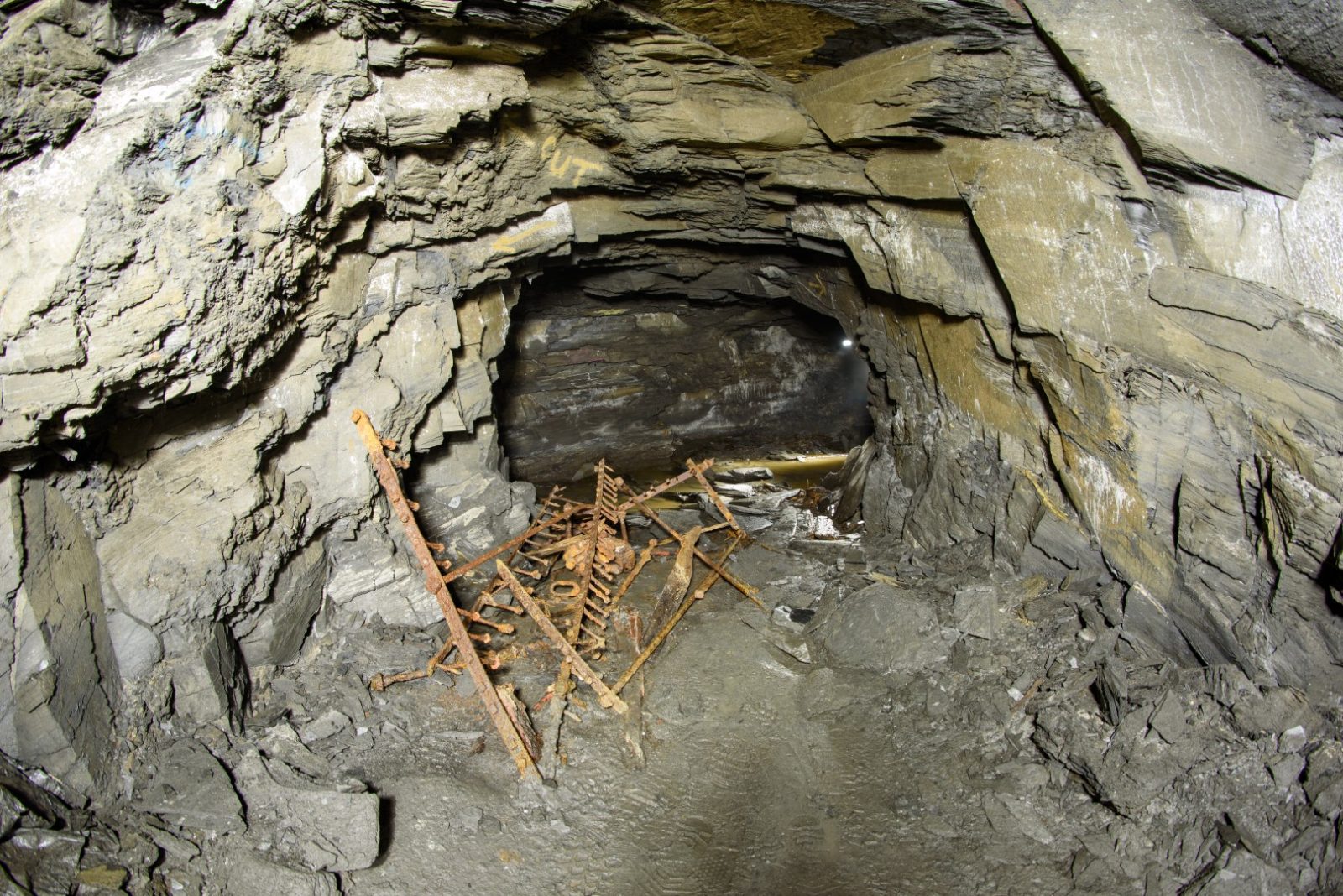
During the Second World War, the quarry, like many businesses, was required to take out special insurance against war damage. Two locomotives were also recorded among the company’s assets. In the event of an invasion, many quarries were used to store essential supplies, and Cambrian Quarry was requisitioned by the Automatic Telephone Company to store telecommunications equipment. This remained at the site until 1946.
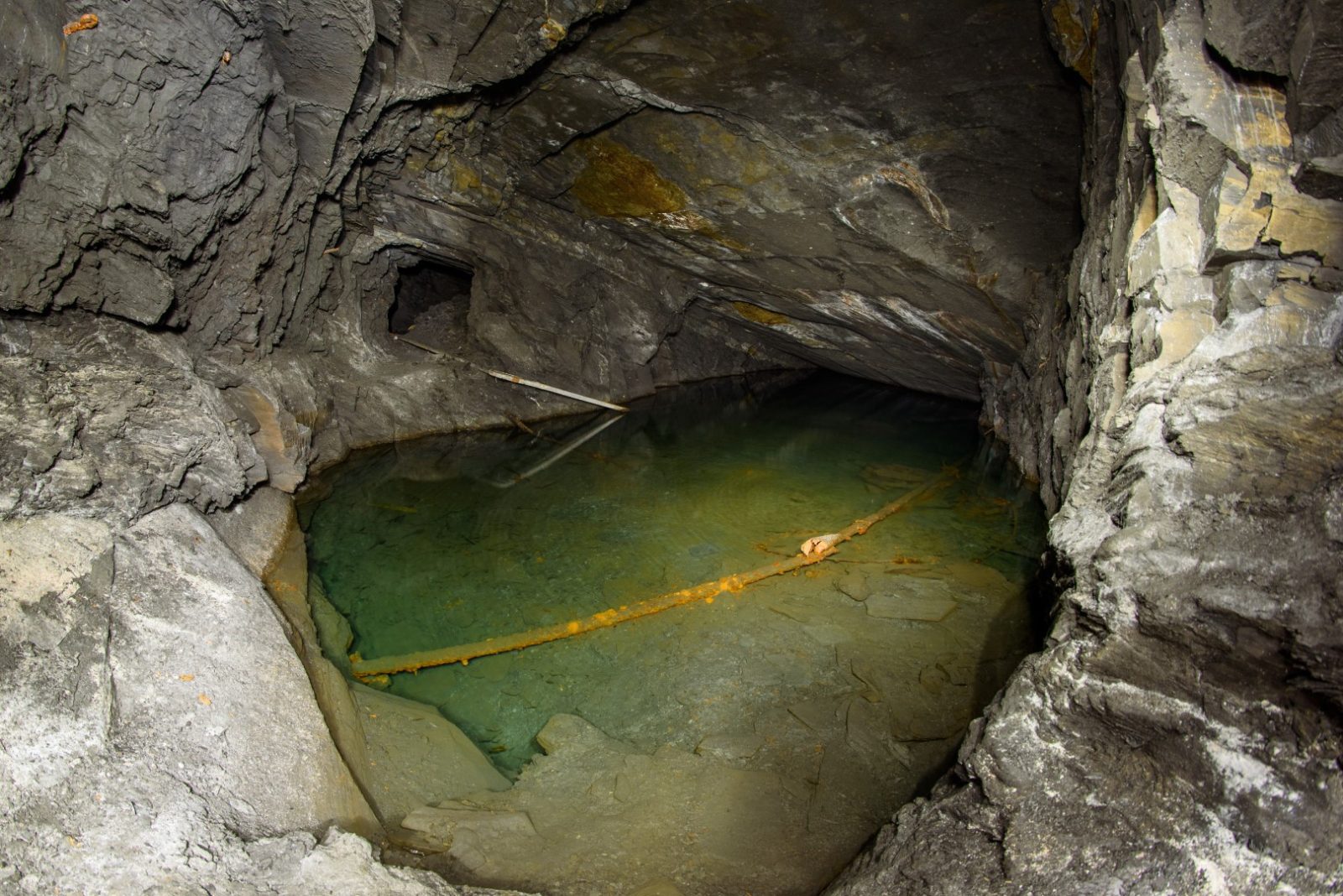
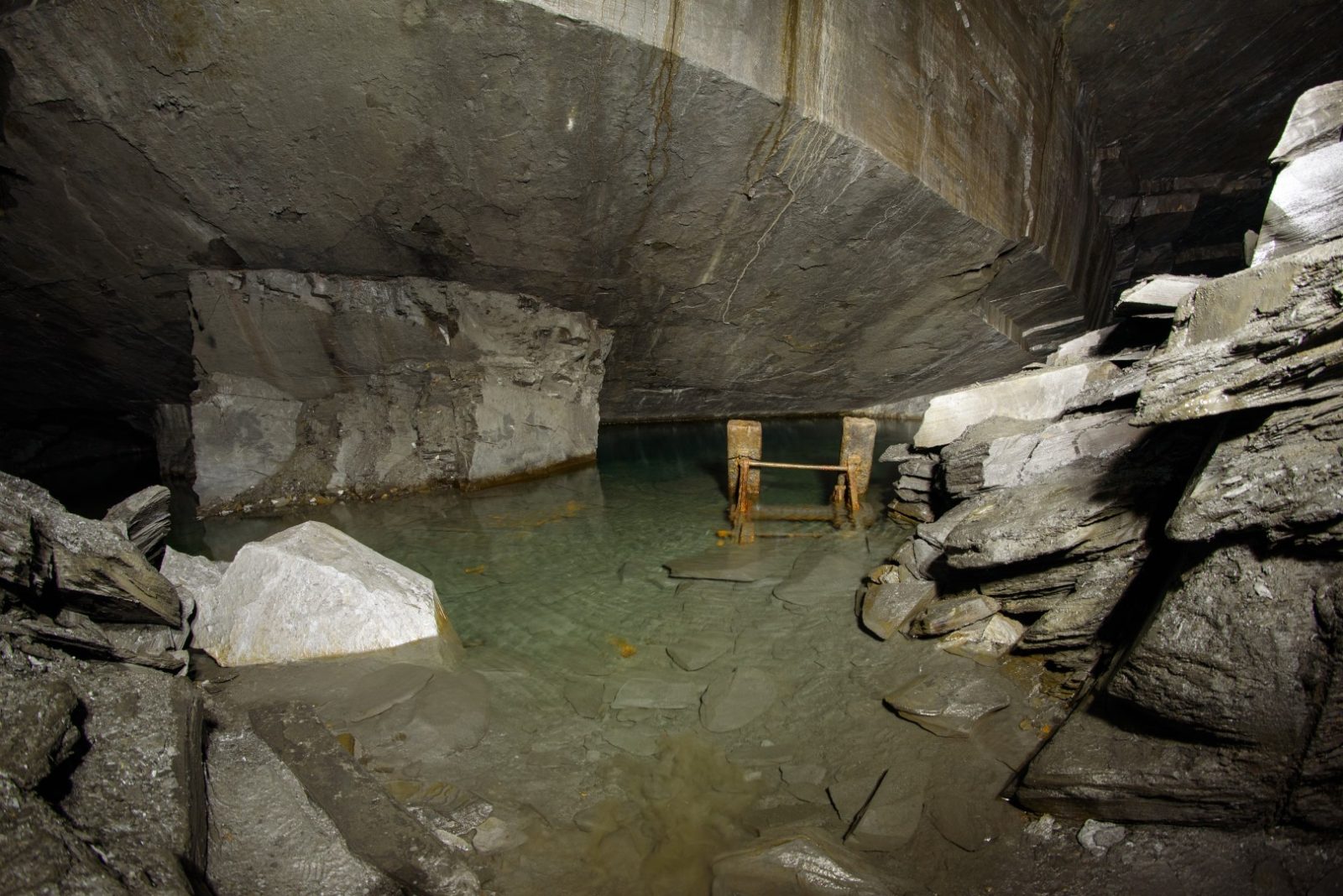
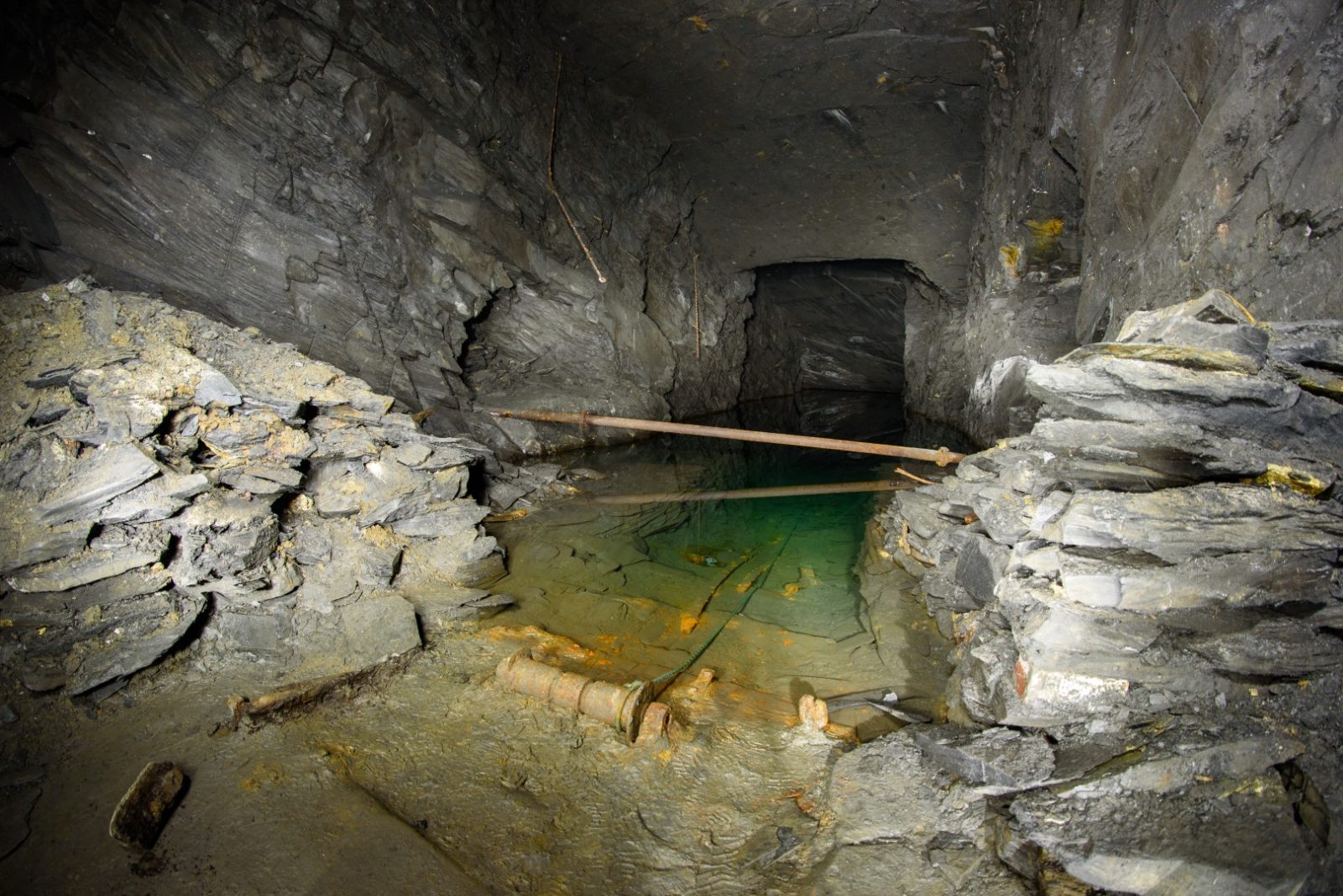
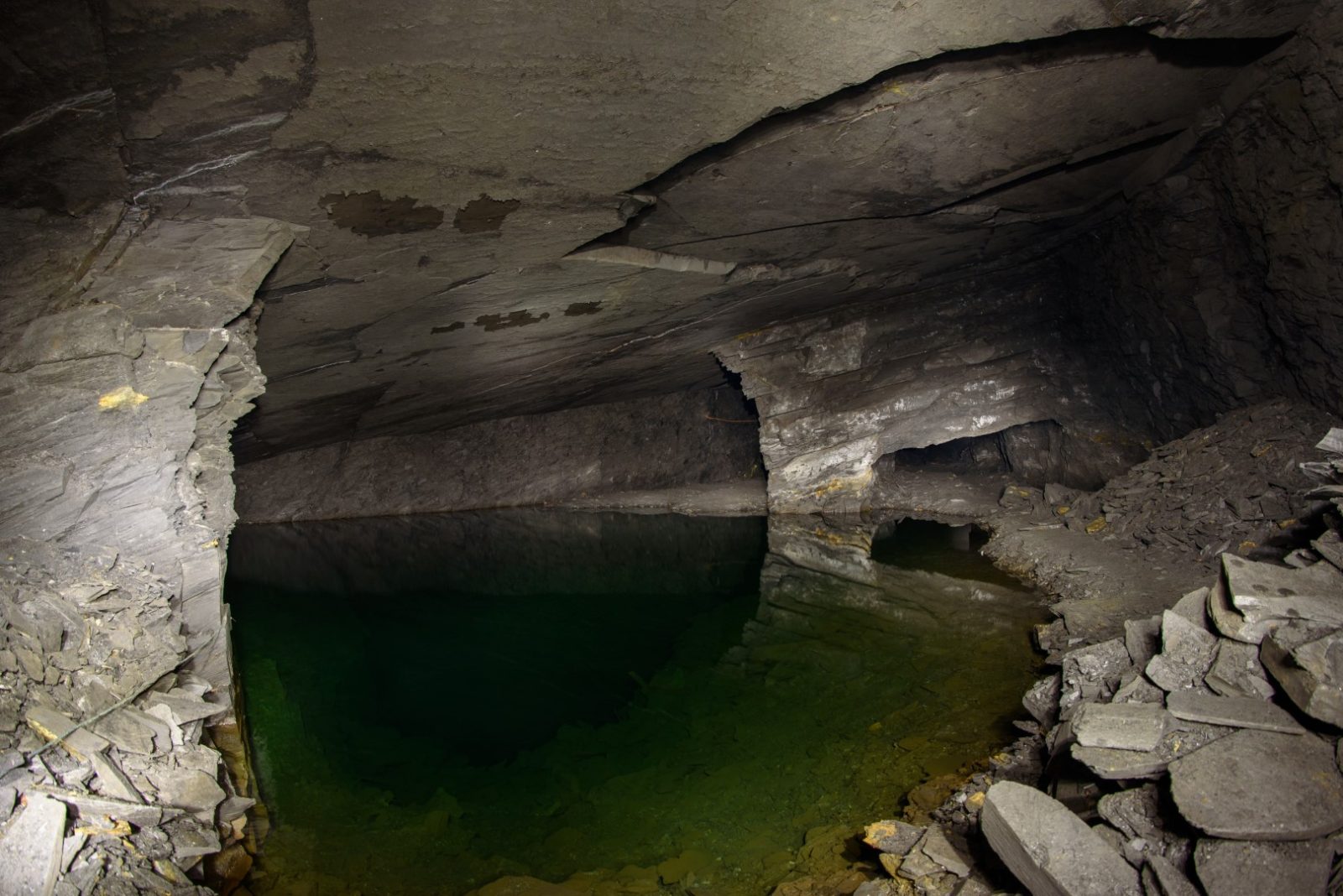
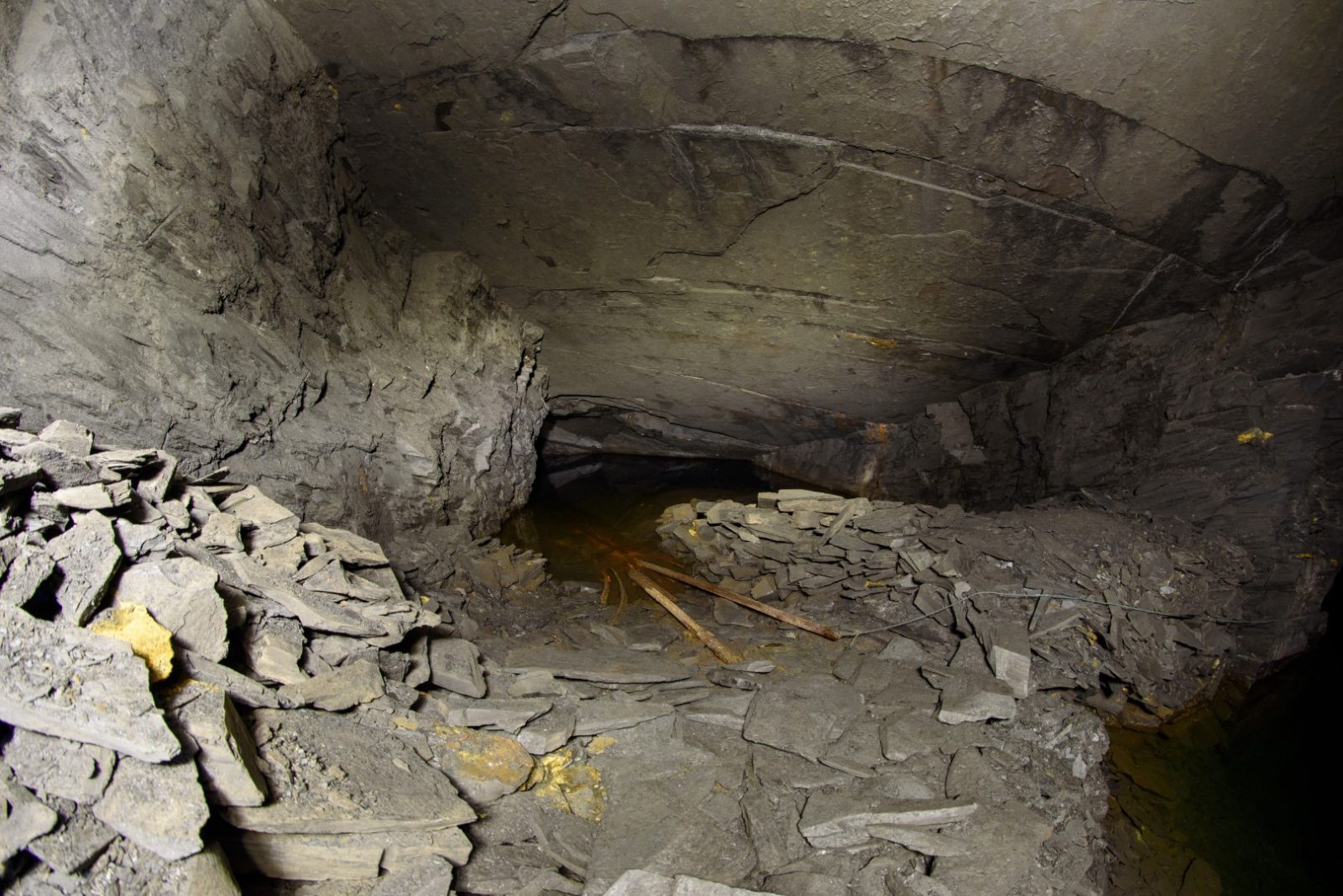
The quarry closed in the winter of 1946/47, largely due to financial difficulties and a shortage of willing workers following the war. The owners subsequently salvaged what equipment they could and continued producing roofing slate from the remaining workable material. However, the main drainage pumps eventually failed, allowing the lower workings to flood.
The site remains derelict, with much of the underground workings flooded. It is a dangerous place to enter.