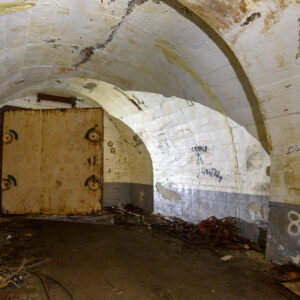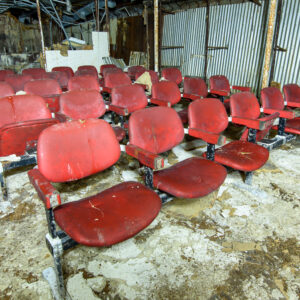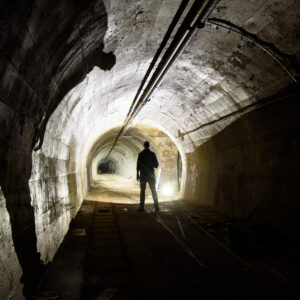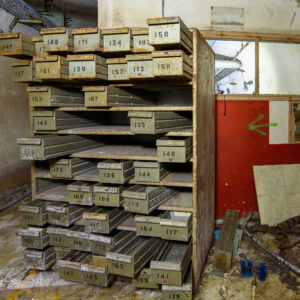
We recently went exploring. Yes, you read that correctly. We actually dragged ourselves away from the day job and did something. Perhaps the stifling summer heat has finally started getting to us too, because we have also decided to attempt something entirely unprecedented: publishing a genuinely upbeat blog post about it.
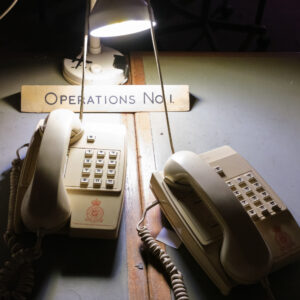
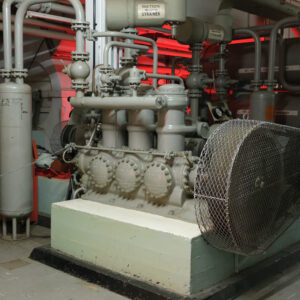
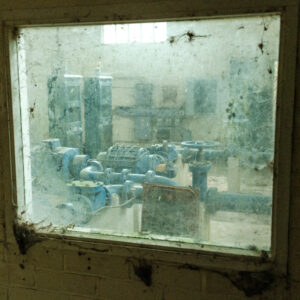
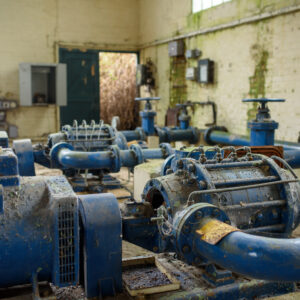
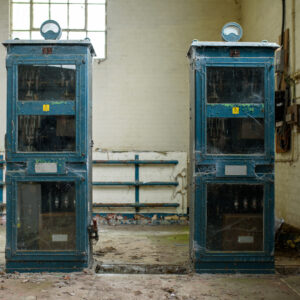
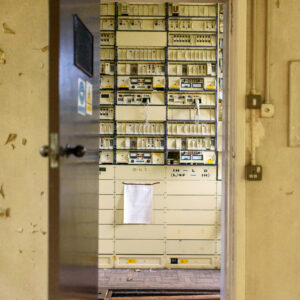
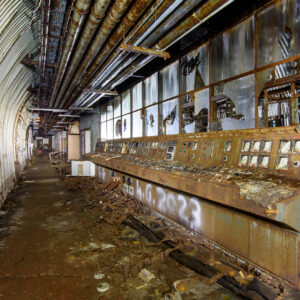
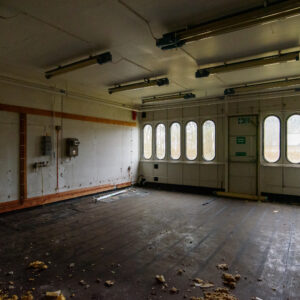
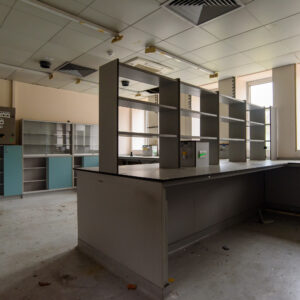
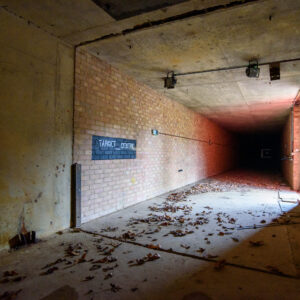
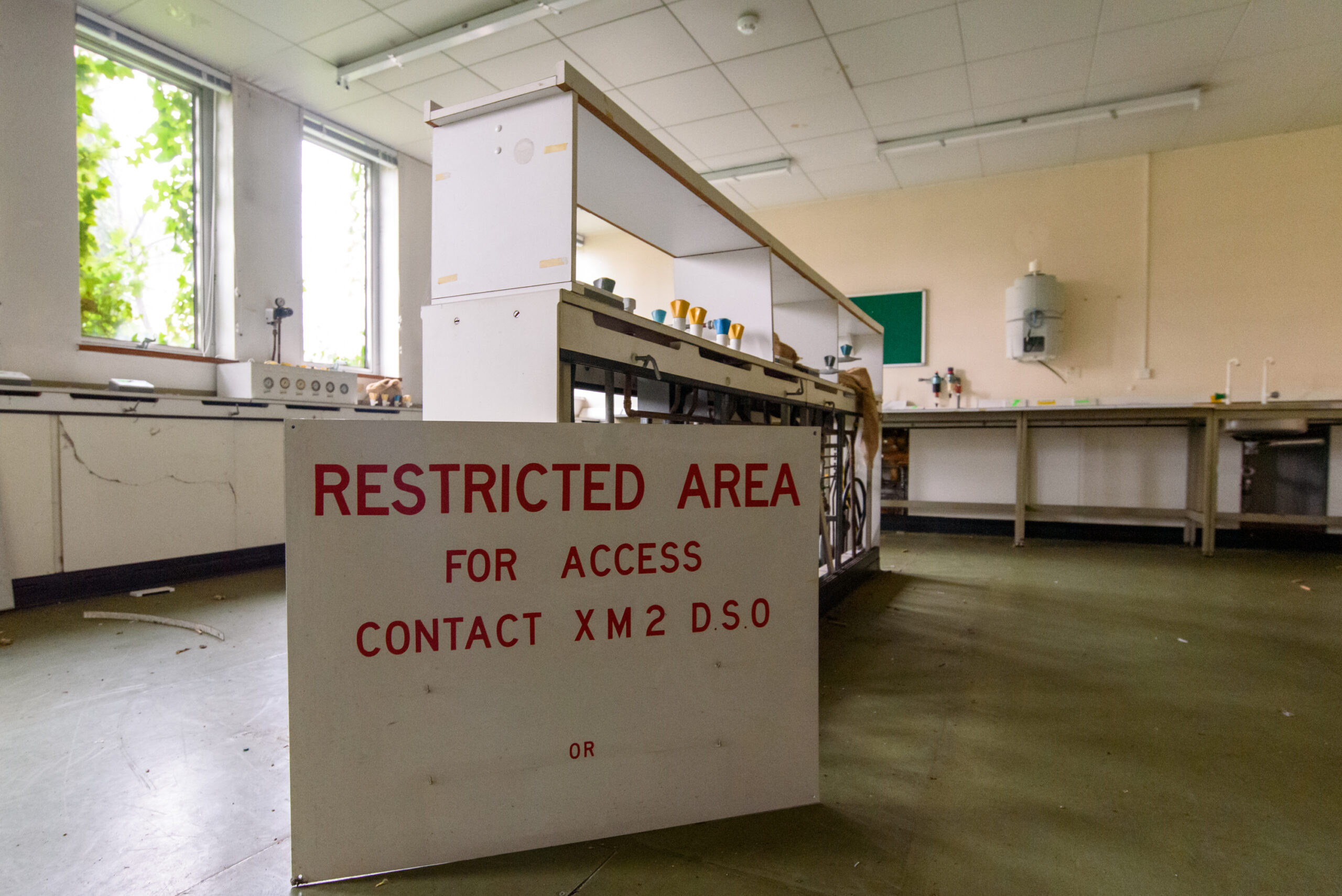
Sitting in a state of contentment on our return flight from Naples, my mind drifted back through the weekend I had just experienced. It was a trip that reminded me of my earliest days of exploration, bringing back exactly why photographing the haunting beauty of dereliction captivates me, and why sneaking into forgotten places is something I still enjoy nearly twenty years later. Something has stirred within us this past year. We have found ourselves prowling through the decaying husks of abandoned buildings on occasional weekends far more than we have in the last few years. After a drizzle-laden Sunday spent creeping through the lifeless form of a defunct 1940s weapons development establishment on the Kent Downs, the bug truly bit again. We immediately began hunting for more forgotten locations on our doorstep. Cue a relentless weekend swallowed by an old telephone exchange, a charming pumping station, and a large ROTOR bunker; followed by a frantic, last-minute flight to Naples to delve into a decommissioned bunker buried beneath a mountain, alongside a few other treats along the way.
Flicking through the photos on our camera whilst squashed into our Ryanair flight back to Stansted, our thoughts once again turned to what we should do with the website. It is an idea we flirt with periodically but rarely dare to act upon, as the idea of a refresh, rebuild, or even adding more content fills us with dread. We will log in and perform under the hood maintenance (one day we’ll fix the email system). When we first bolted this blog onto the side of our main site, our ultimate ambition was to forge a gripping narrative of our adventures. Looking back, the blog has achieved exactly what we set out to do. It stands as a comprehensive catalogue of nineteen years of thoughts and tales from our travels around the country and abroad. Yet, the one thing it has never quite captured is the smaller, unseen adventures. It lacks those stories that rarely make it beyond a conversation over a pint down the pub, and it conceals the history behind the photographs we prize the most.
So, here is our attempt at a B-side compilation of sorts; a collection of tales from our years of exploring, interwoven with our recent exploits this year. It may be a tricky endeavour to curate as we have long held a deep aversion to nervy run-ins with security or high-risk sites like colossal coal power stations. Consequently, there will be few stories of us cowering in muddy drainage ditches whilst security teams scour the grounds in earnest, and more stories of where we simply did something stupid. We far prefer the art of finding a silent route in, delicately picking our way through the ruins whilst capturing our photographs, and vanishing long before trouble even knows we were there (wow, that made us sound like we are really good at this). Sometimes, however, this has meant enduring agonisingly convoluted routes to navigate a site (occasionally increasing the risk of being caught), or pressing ourselves desperately into the smallest, most suffocating of crannies, holding our breath in the hope of evasion.
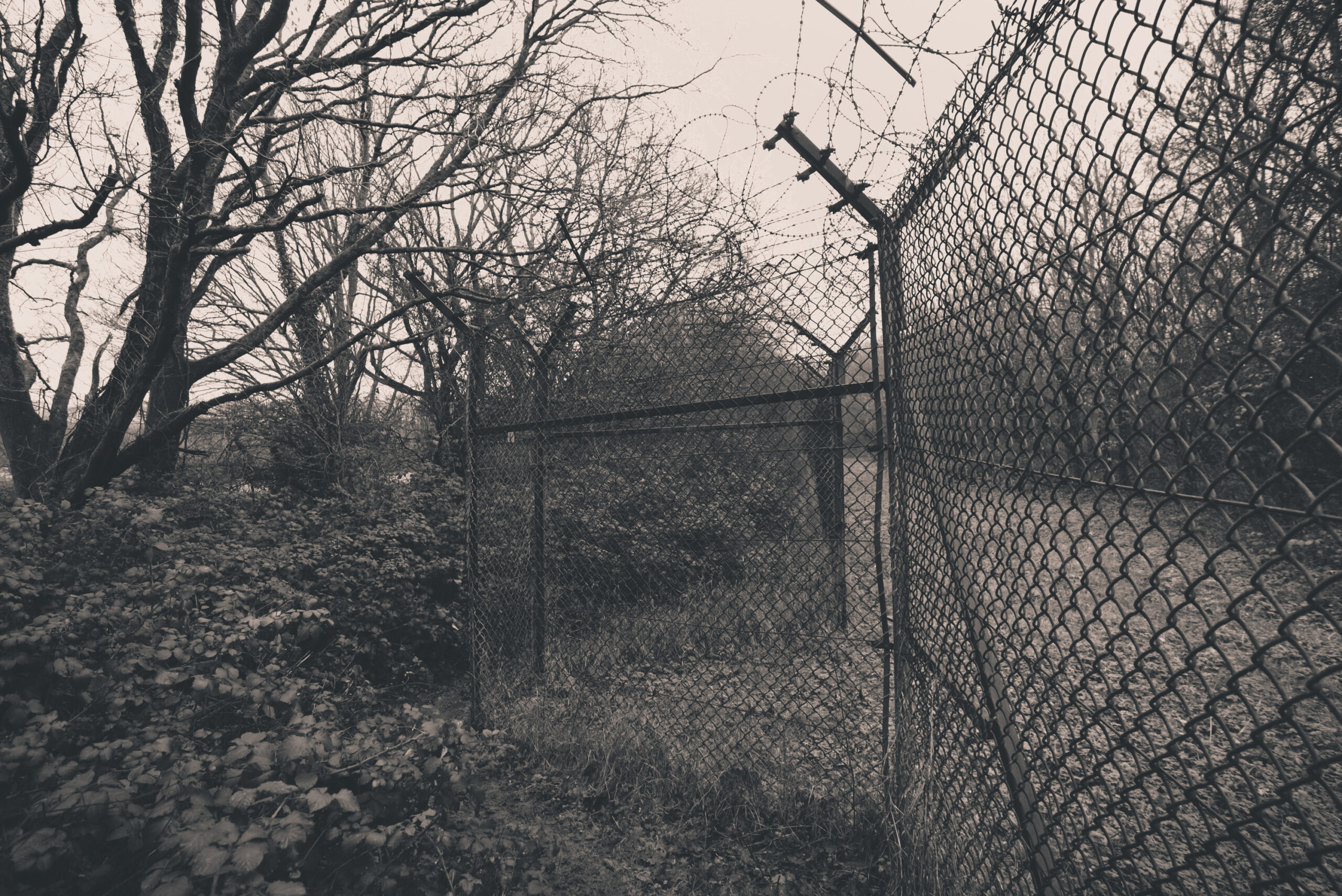
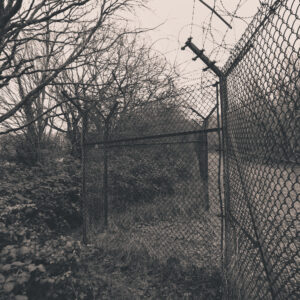
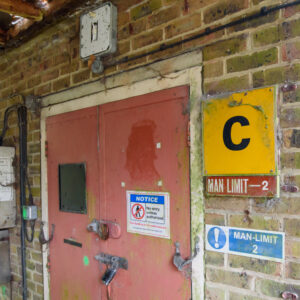
From our older archives, you will likely know that this entire obsession began with a sunny Sunday afternoon trip to the National Gas Turbine Establishment, Pyestock. Years later, we finally managed to square the circle and explore the one remaining building that was still strictly off-limits during our initial visit: the Anechoic Chamber. Once again, we found ourselves walking the perimeter of a typical MoD specification fence in the woods near Farnborough, frantically searching for a single weakness before a lone dog walker spotted us. Within moments, we crossed the threshold and found ourselves in the immense shadows of a huge concrete cube. On our approach, we heard the unmistakable, terrifying roar of an approaching engine that reached down into our hindbrain and yanked the flee lever. With a few quick, desperate steps, we threw ourselves into an entrance that was formed by the building’s architecture, which turned out to be exactly where we needed to be to get inside.
We stood stock still, our hearts pounding, praying that they would not notice us. As the engine noise faded into the distance, we slipped through a door and into the silent chamber. With our fight-or-flight response already screaming, our frayed nerves were pushed even further by the maddening sound of a dying fire alarm, which emitted a piercing beep every thirty seconds like a countdown. Following an incredibly jittery exploration, we took our photos and bolted for the exit, only to be frozen at the door by the roar of the exact same engine tearing past us once more. Quite how we escaped undetected into the tall bracken and over the palisade fence, which claimed its own pound of flesh as we flew over it, remains an absolute mystery.

Whilst we have spent the majority of our exploring lives avoiding a high-stakes game of cat and mouse with security, there have been moments when an encounter was entirely unavoidable. In our experience during our early years, many of the decaying sites we visited were watched over by lazy guards, men entirely content to sit in their warm huts and only occasionally glance at the rotting structures they were paid to protect. However, back in the legendary heyday of our Asylum Years™, finding ourselves locked in a desperate game of hide and seek with local security firms was the norm. On some days we triumphed. We once spent a full day inside Severalls Asylum, successfully dodging a highly motivated guard who was known to plant mobile cameras throughout the corridors and popular locations. I will confess we arrived armed with knowledge of this, but that did not stop us from freezing in terror and hiding for twenty minutes at the sound of what we thought was movement in the adjacent room, only to exhale in relief when we realised it was merely water dripping loudly onto a rusted metal sheet. Others dodge the BTP, we cower from rain drops.
On other days, we were utterly defeated. We discovered the hard way how relentless the security guard at Cane Hill was. He was a profoundly crafty person who was entirely prepared for the psyche of the explorers foolish enough to trespass on his turf. A single, carelessly overturned object on a dusty surface in a ward betrayed our presence, and he flushed us out by posting his guard dog through a broken window. However, this did not stop us from returning multiple times to cover as much of the site as possible, with every visit being just as eventful as the last. Highlights include one of us carefully crawling across a collapsing floor to look in a part of the administration building as we’d heard rumours it was filled with interesting things, and a separate occasion part way through demolition that saw a group us run at full tilt from security and directly into a cupboard.
The best-secured asylum we ever managed to explore was Graylingwell. They never went for a high-tech approach, rather they simply employed a box of nails and hammered everything as tightly shut as they could. Few got in, but the reward was worth it, and we enjoyed two great weekends poking about its remains.
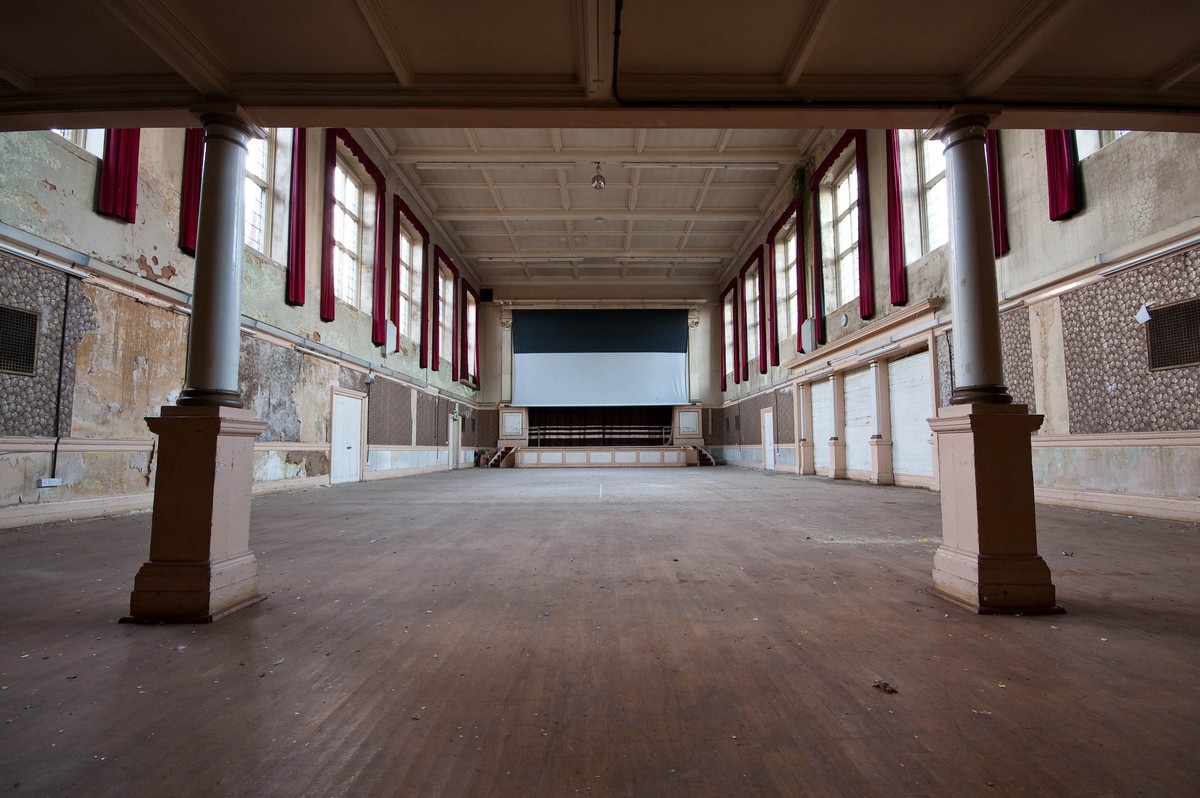
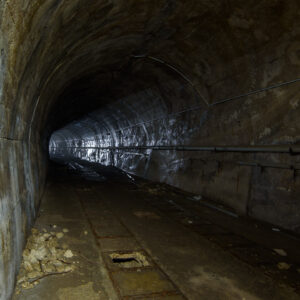
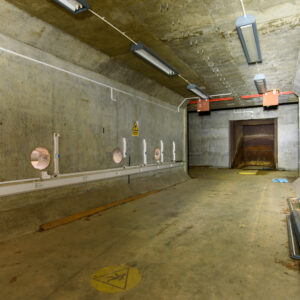
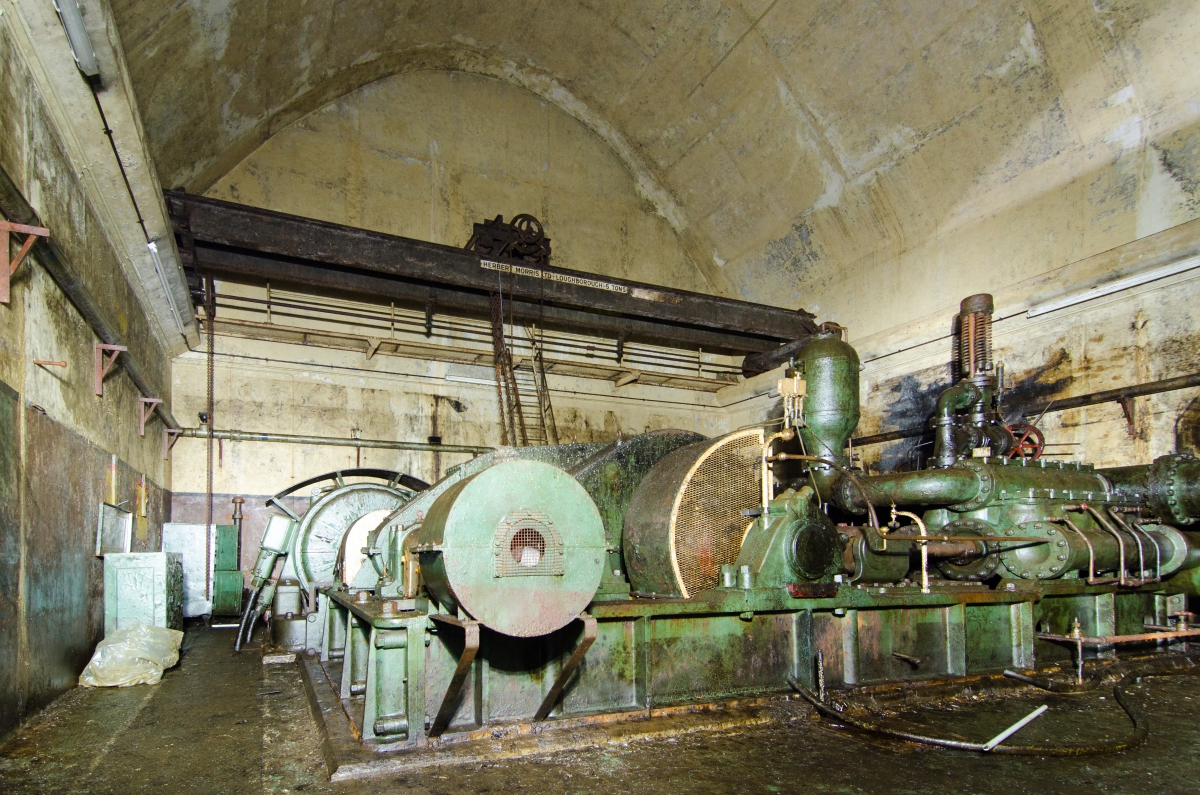
For our long-time listeners, you may know that we love older underground tunnels, especially those hewn into the rock by military engineers. Their secret nature has always piqued our imagination, even if the truth of their day-to-day operation would probably have been very bland. Years back, we found ourselves walking into a mile-long tunnel dug into the hills that hem in Portsmouth; our aim for the day was to explore an old underground fuel depot that we had learnt was open. We knew nothing of the site other than its existence. A previous recce had revealed an overgrown compound and a secured black door, but our first impression was one of disappointment as it was just a long, featureless tunnel. Having walked from one end of the main tunnel to the other, we thought that was it and decided to call it a day. Just as we were heading out, one of the group poked their head into one last side passage and discovered a greasy ladder leading below the floor. Little did we know it led to an intact, impressive underground oil pump room built prior to World War 2. Unknown surprises like this are exactly why we will always want to poke our heads into every nook and cranny. Nothing surprised us more than fiddling with the ventilation control panel in an old NVA bunker of the GDR and accidentally turning the system on, which began to spew twenty years of dust and detritus into the air whilst trying to pressurise the bunker.
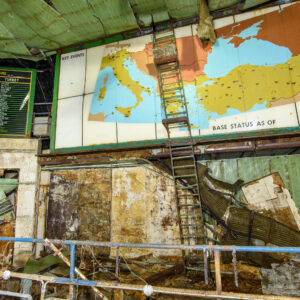
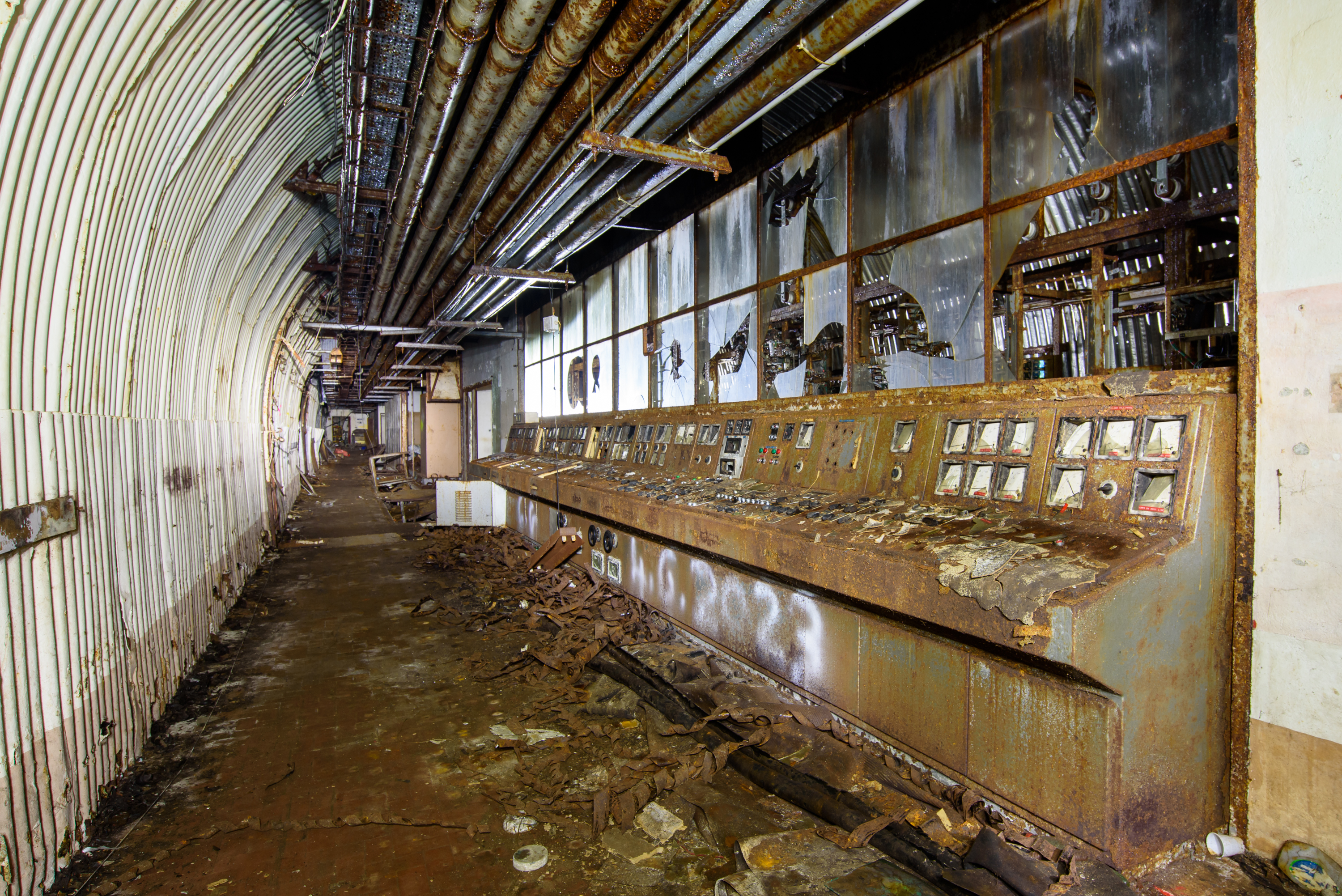
Whilst exploring the UK offers some large underground sites, nothing prepares you for walking the length of a Maginot bunker, sometimes kilometres underground, to a fighting block still filled with equipment, or walking into an army command centre complete with an operations map of Southern Europe. Our most recent trip abroad was planned purely around visiting a massive bunker and was based on the vague notion that it would not be sealed. Sometimes you have to hedge your bets and hope you aren’t about to waste a lot of time and money on a simple walk in a foreign land. This wasn’t our first trip like this. We have ventured into France on the vague notion that Maginot bunkers would be open, and Germany in the hope that old Soviet bunkers would tolerate our presence.
Thankfully, our experience of the continent is one of laissez-faire, and most of what we have wanted to try and see on a road trip has been possible, leading to some awesome adventures. Exploring abroad probably pushes our comfort levels a little further than normal, as we approach it with an all-or-nothing attitude. This has resulted in us squeezing our lanky frames into very tight crawls hidden deep in the undergrowth. This isn’t to say we haven’t had some interesting routes in back home; one set of mills saw us balancing on a fallen tree across a river to avoid a long walk across a twitchy farmer’s field.
As we reminisce whilst trying to write this blog poast, we realise we’ve never really taken overly complicated routes in, we just aren’t always that dedicated to the hustle.
I think nearly every explorer we know will have stories from their adventures where it never quite worked out as intended, went wrong in some way, or led to hysterical laughter whilst trying to keep quiet, and we have had our fair share. When we were very new to the hobby, we tried to explore a local barracks that had closed some years earlier. Having lucked out with our first explore at Pyestock, we decided to take the same approach and walked the entire fence line looking for a weakness (including along a section very close to a motorway). We failed in our approach, but on a revisit with another local explorer, he showed us a way in that was along the only line of fence we had not checked. Typical. We both felt very idiotic that we had been so close but went home empty-handed. In a similar vein, we parked up in a lay-by outside an old colliery with little knowledge of the building, and saw what looked like a convenient route across a field directly to the main winding house. We realised our mistake about two-thirds of the way across when we began slowly sinking into a very wet peat bog. With the mud sucking at our boots, we trudged onward to a great explore. As is the way of life, we found a much better route out on our exit. I think we have mentioned before about trying to stealthily avoid a security guard that saw us fall out of a window and leave us hysterically laughing. It is those kinds of ridiculous bungles that make the successful trips taste so much sweeter.
Which brings us back to Italy.
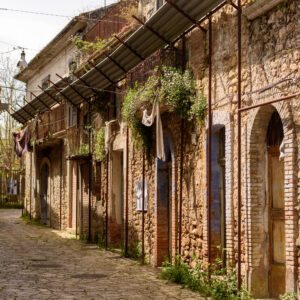
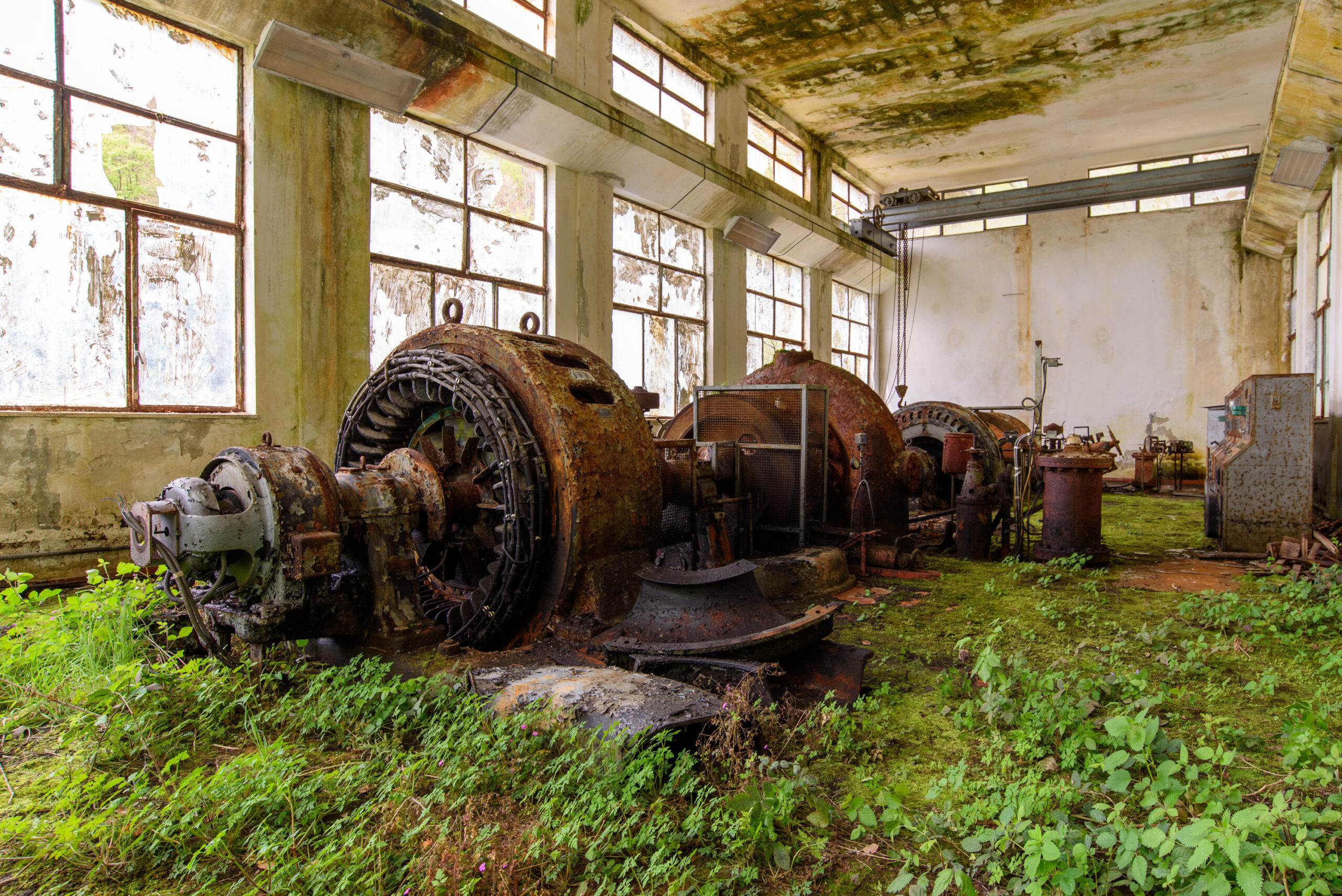
Having spent an entire day beneath a mountain roaming the tunnels of a long-abandoned NATO bunker, the following day we finally made our way out of the urban chaos of Naples and up into the cool air of the mountains. Our purpose was to hunt down one of the many abandoned hydroelectric plants that litter the Italian highlands like confetti. Built by Mussolini in the 1930s, they often occupy prominent and beautiful positions in the numerous valleys, and the one we were hoping to visit looked particularly spectacular. Having taken the wise decision not to drive our black hire car, boasting less than 800km on the clock, down a rough gravel track, we found ourselves on an unexpected hike into a stunning landscape. As we approached our final destination, we could hear the unmistakable hum of machinery from a nearby building. Had we made a mistake? Were we about to become another group that had gone to the wrong part of the gorge?
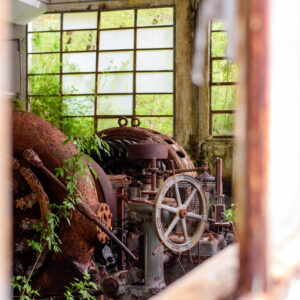
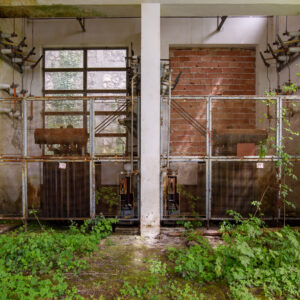
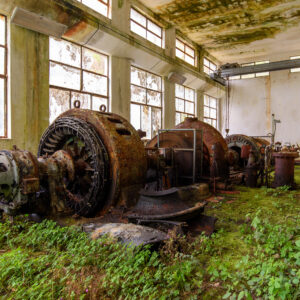
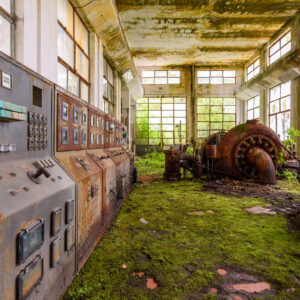
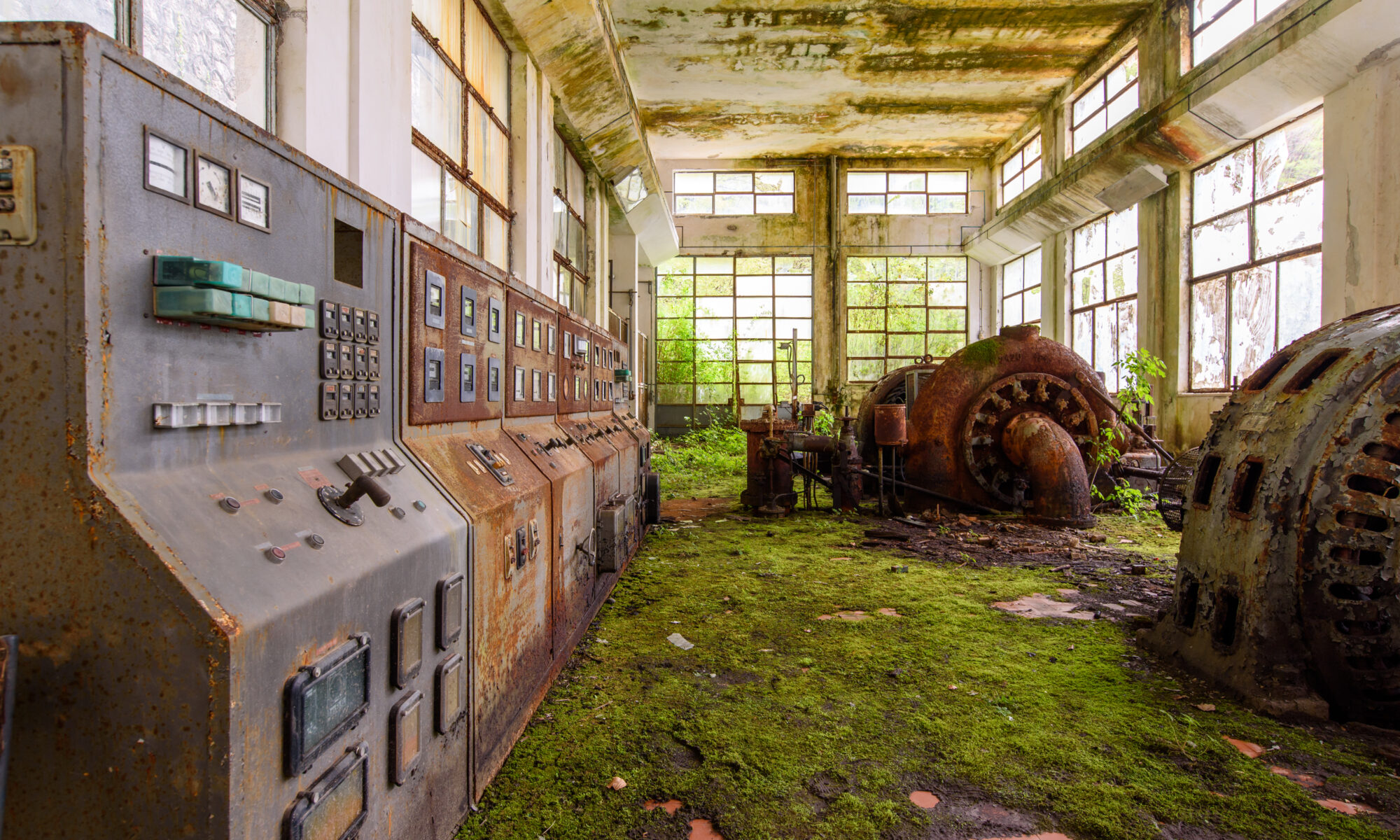
Thankfully, no. What we were hearing was one of the still-live buildings of the hydroelectric complex we were walking through; a series of different plants strung together across the terrain. Our building was at the midpoint in the string of hydro-plants and had been decommissioned some years earlier. After gawping at a magnificent and curvaceous dam, we found ourselves standing under the dappled green light that streamed into a beautiful, moss-carpeted turbine hall complete with its original equipment. This is the sort of explore that will always draw us back into the hobby: nature reclaiming the man-made.
Over 2500 words and we’d have gotten more engagement if we’d posted a 30 second clip to Instagram of us failing somewhere (can someone tell me why the kids these days are happy to post videos of how they gained access?).
Games gone.